
How to avoid the bonk - Carbohydrates are the fuel your muscles depend on.
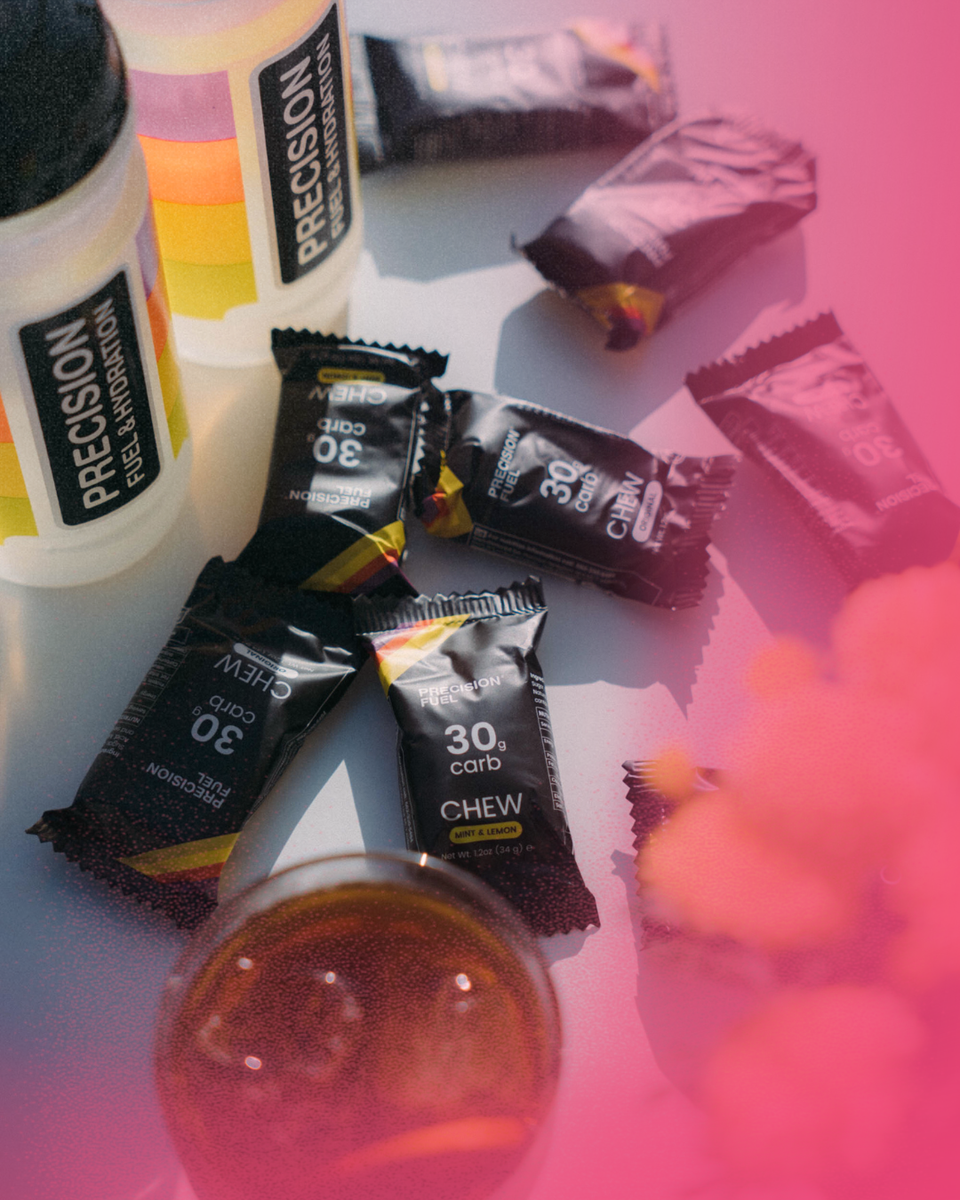
This July we're welcoming Precision Fuel & Hydration to the Collective as our Partner of the Month - and we think you're going to get a lot out of this one.
Precision Fuel & Hydration was built around a simple but important idea:
That individual differences in physiology matter, and that the best fuelling and hydration strategy is the one that's right for you specifically - not for an average athlete.
They work with endurance athletes at every level, helping them take a more personalised, science-led approach to what they eat and drink before and during a ride.
So far this month we've looked at fluid and sodium - two of the three levers that have the biggest impact on how you feel and perform on the bike.
This week, Precision Fuel & Hydration are taking us to the third: carbohydrates. Specifically, how to make sure you have enough fuel on board for the efforts that actually matter - and why getting this wrong is more common than most riders realise.
FUELLING - HOW TO AVOID THE BONK
Every cyclist who has run out of energy mid-ride knows what the bonk feels like. Legs stop working, the brain goes foggy and suddenly a manageable pace feels impossible. It happens when your glycogen stores (your body's readily available carbohydrate fuel) run dry.
The solution sounds simple: eat enough.
In practice, it's a skill that takes time to develop.
For rides under around 90 minutes at moderate intensity, your glycogen stores can usually see you through without much mid-ride fuelling. Beyond that, you need to be taking on carbohydrates - around 60g per hour for most riders, and up to 90g or more for high-intensity efforts or very long days in the saddle.
Here's where it gets interesting.
Your gut has a limited capacity to absorb carbohydrates — and that capacity can be trained. Many cyclists who struggle to eat at pace, or who experience nausea and bloating when they try to fuel aggressively, haven't built up their gut's tolerance for taking in food during exercise.
It's a physiological adaptation, not a willpower issue.
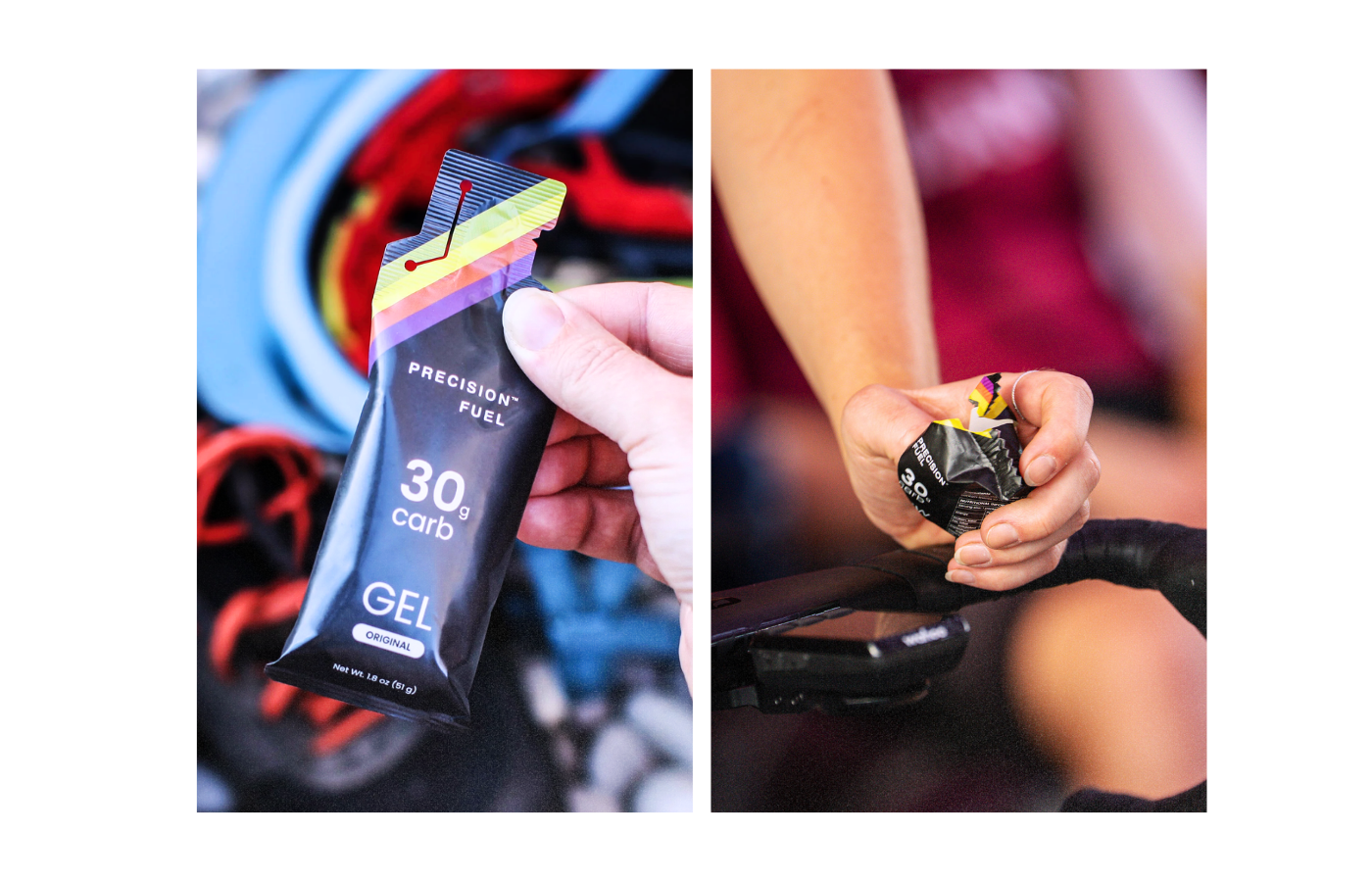
Gut training means practising your race-day fuelling strategy during training - specifically on your longer, harder sessions.
The PF&H team recommend:
- Start with an intake that feels comfortable and build up gradually over several weeks
- Mix carbohydrate types where possible - glucose and fructose together allow the gut to absorb more per hour than glucose alone, which is why many high-carb products use a blend
- Never try something new on race day — whatever product, format or intake rate you plan to use in an event should be tested repeatedly in training first
Your gut needs rehearsal. A sportive or race is not the place to find out your stomach doesn't like your new gel.
Not sure where to start with your own numbers?
Precision Fuel & Hydration's free Fuel & Hydration Planner builds you a personalised race day strategy based on your event, conditions and physiology - taking the guesswork out of how much to eat, drink and when.
Next week we'll be wrapping up the series with cramping - one of the most common complaints in endurance sport, one of the most misunderstood, and almost always a signal that something upstream has gone off track.