
Stage 5: A masterclass in team racing

Today’s stage was always going to be one of the hardest to control.
With almost 2,900 metres of climbing packed into just 140kms, it was the second-biggest climbing day of this year’s Tour behind Mont Ventoux. But unlike Ventoux, today’s climbing was relentless rather than decisive. After the opening climb, the riders faced an endless sequence of shorter climbs, each one wearing the peloton down a little more.
These are the stages that general classification teams often fear the most.
They’re hard enough to isolate the favourites, but not selective enough to naturally bring everything back together. Instead, they reward aggressive racing, clever tactics and, above all, strong teams.
Even before the television coverage began, it was clear the racing was on.
Magdeleine Vallières looked determined to make the opening climb count, trying repeatedly to establish an early move. Once the broadcast began, Lidl–Trek made their intentions crystal clear. Niamh Fisher-Black attacked on several occasions, and it was obvious the team’s plan was to get her into the day’s breakaway.
Eventually, it worked.
A huge group finally rolled clear, and it immediately looked dangerous.
It wasn’t just large...it was incredibly strong.
Lidl–Trek had three riders represented, including Niamh Fisher-Black, Amanda Spratt and Riejanne Markus. Visma | Lease a Bike had two riders, UAE Team L’IMAD had both Dominika Włodarczyk and Maeva Squiban, AG Insurance–Soudal had Lore De Schepper and Justine Ghekiere, while FDJ-SUEZ also placed two exceptionally strong riders in the move with Juliette Labous and Francesca Koch. Add in riders like Liane Lippert, Puck Pieterse, Antonia Niedermaier and Talita de Jong, and suddenly this wasn’t simply a breakaway—it was a group packed with quality.
Almost every major team had successfully placed satellite riders up the road.
Having teammates ahead of the favourites later in the stage can completely change the tactical picture. If your leader attacks, they have someone waiting up the road to help. If another team attacks, you already have representation in the move. It’s one of the oldest tactical plays in cycling, and today almost every major team was trying to use it.
What surprised me most wasn’t that the breakaway went.
It was that such a strong breakaway was allowed to gain so much time.
On a stage this difficult, every climb chips away at the chasing group. Riders get dropped, domestiques disappear...and before long the breakaway can have almost as many riders as the peloton itself. Once that happens, bringing them back becomes incredibly difficult.
There were moments today when I seriously wondered whether the breakaway would stay away.
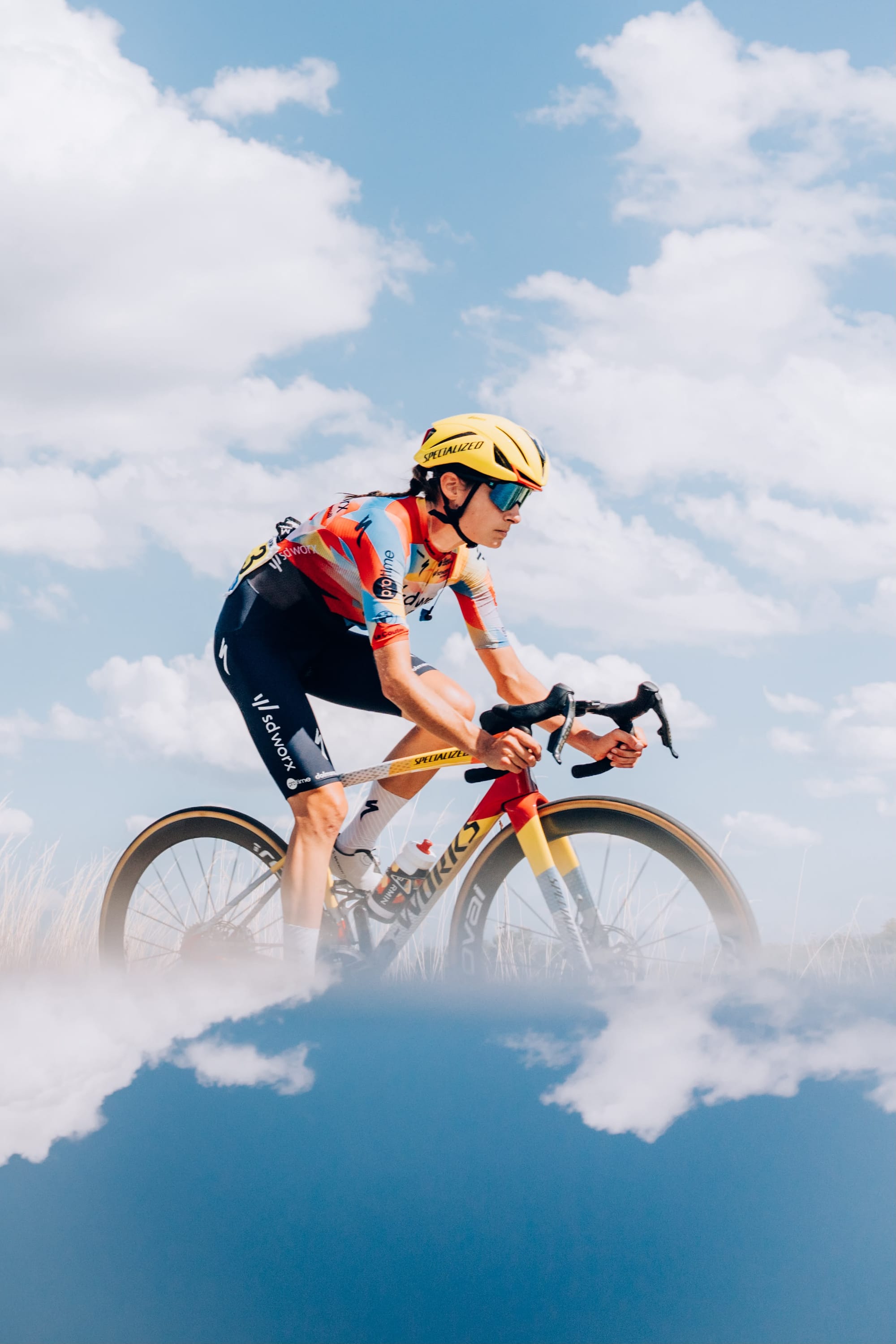
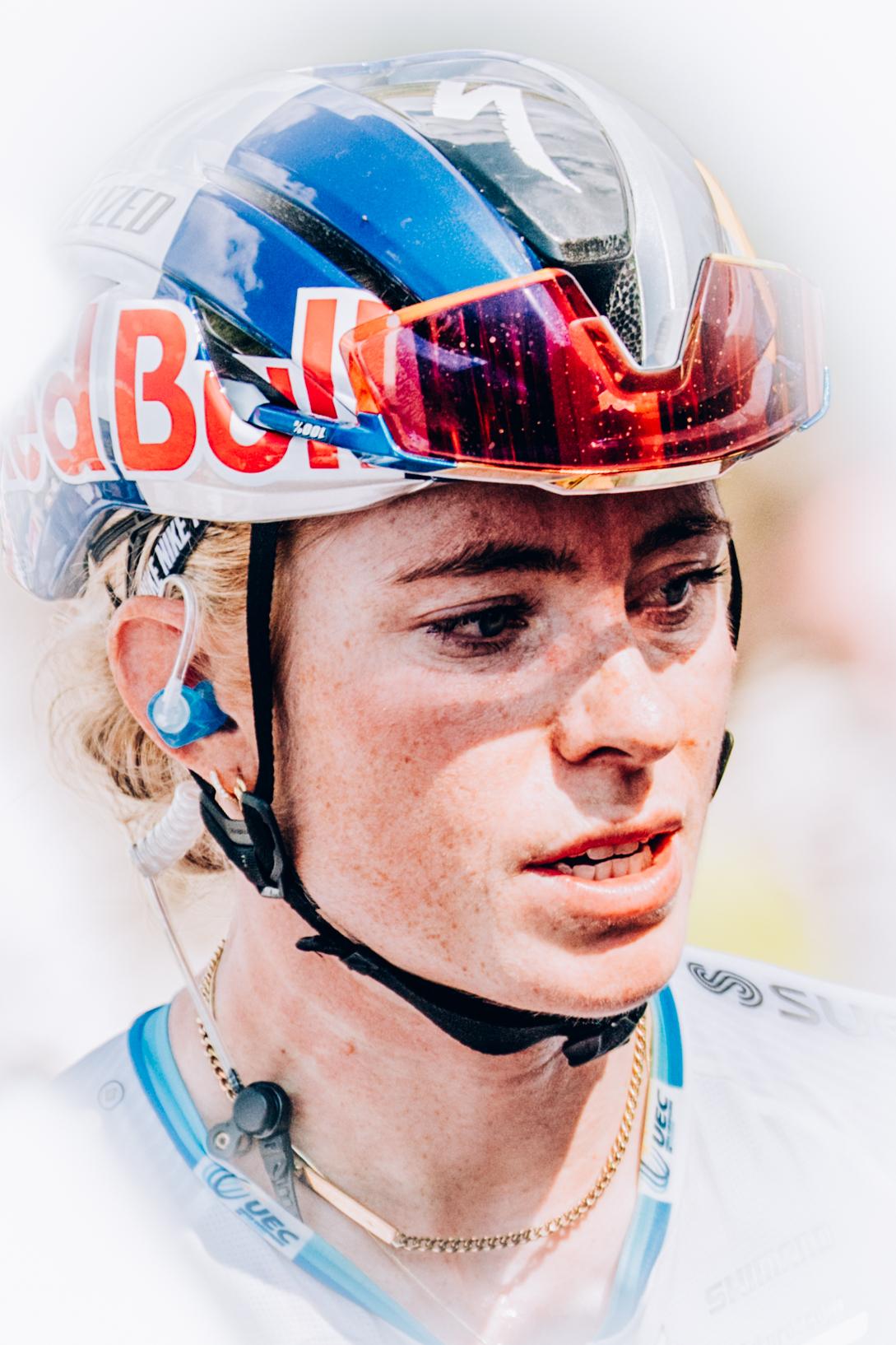
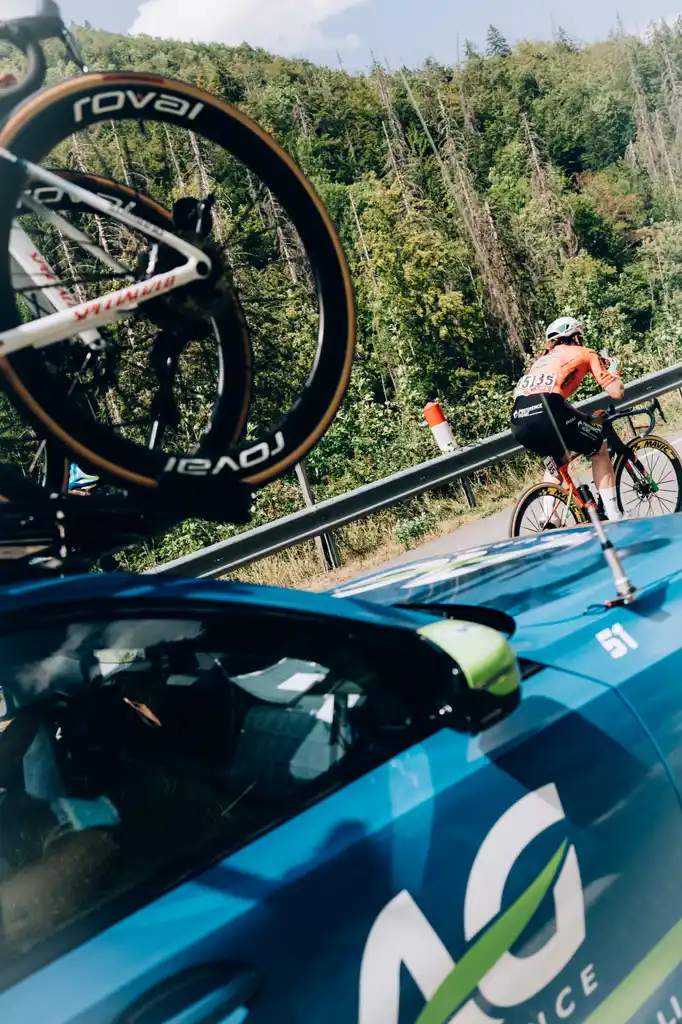
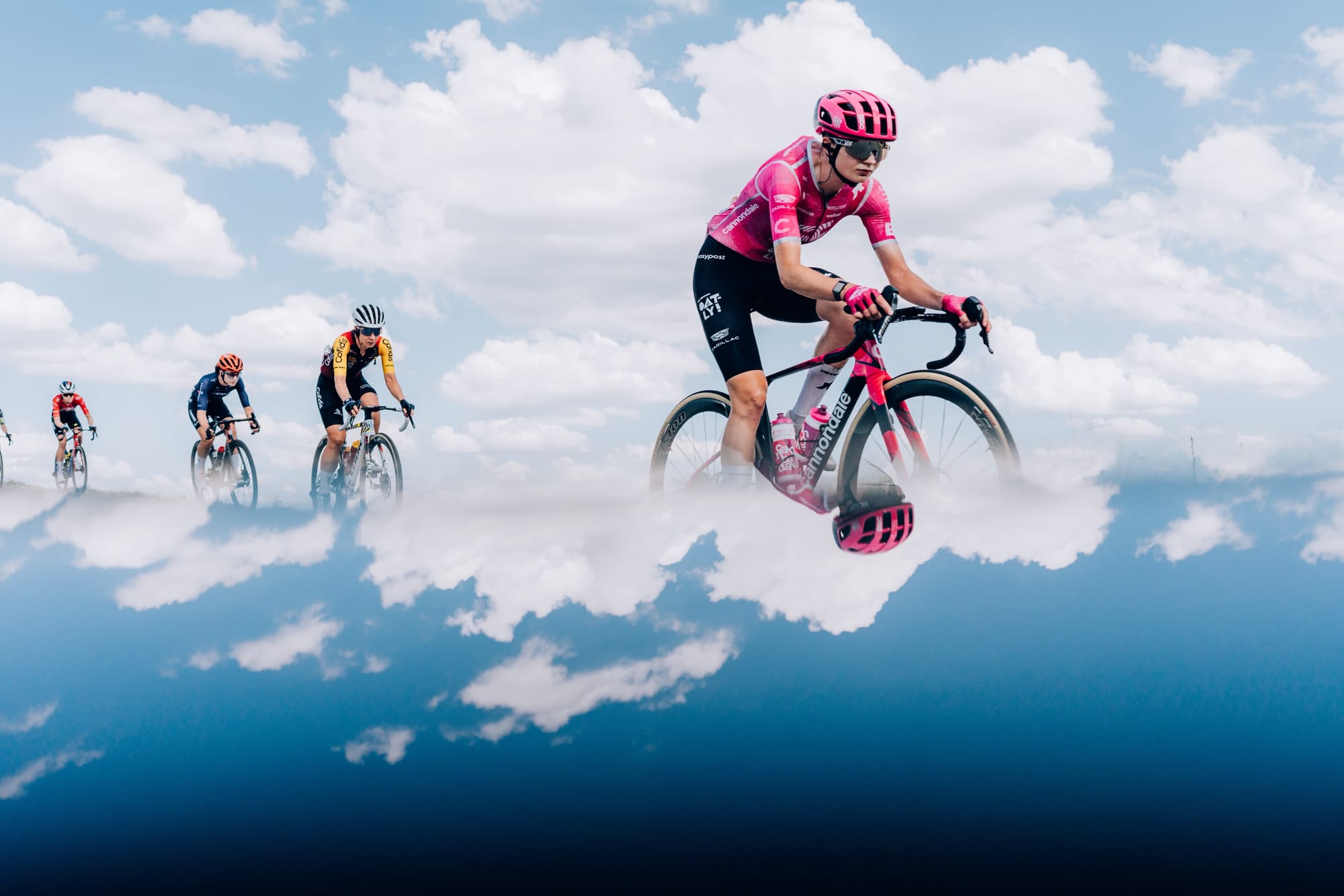
All images by photographer, Jess Meniere
But then FDJ-SUEZ reminded everyone why they’re currently the strongest team in women’s cycling.
Today wasn’t just a victory for Demi Vollering. It was a masterclass from FDJ-SUEZ.
What impressed me most wasn’t simply that FDJ-SUEZ had the strongest rider. It was that they had the confidence to let such a dangerous breakaway go because they trusted they had the team strength to bring it back exactly when they needed to.
We’ve seen throughout this season just how much depth this team has. They aren’t built around one superstar but rather they’re built around a collection of riders who could all win races in their own right. Demi Vollering may be this tour's leader, but the riders around her are all capable of winning major races themselves.
It takes exceptional leadership (from both the riders and the team management) to bring together so much talent behind one clear objective. That unity has become one of FDJ-SUEZ’s greatest strengths.
That depth was on full display today.
They timed the chase perfectly, never panicked and gradually reduced the gap to under a minute before the penultimate climb.
That timing was everything.
As Célia Gery finished one final, enormous turn on the front, Demi launched her attack.
Demi’s first attack was about selection, not winning the stage. It put the GC group under serious pressure and dropped riders including Pauline Ferrand-Prévot, Kim Le Court, Anna van der Breggen and Elisa Longo Borghini. A smaller group was able to stay with Demi, and they then bridged across to the remaining riders from the breakaway.
Ahead, the breakaway was already beginning to split apart. One by one, the early attackers were caught until the three favourites bridged across to the remnants of the move.
Only after that, on the final climb, did Demi make the decisive move.
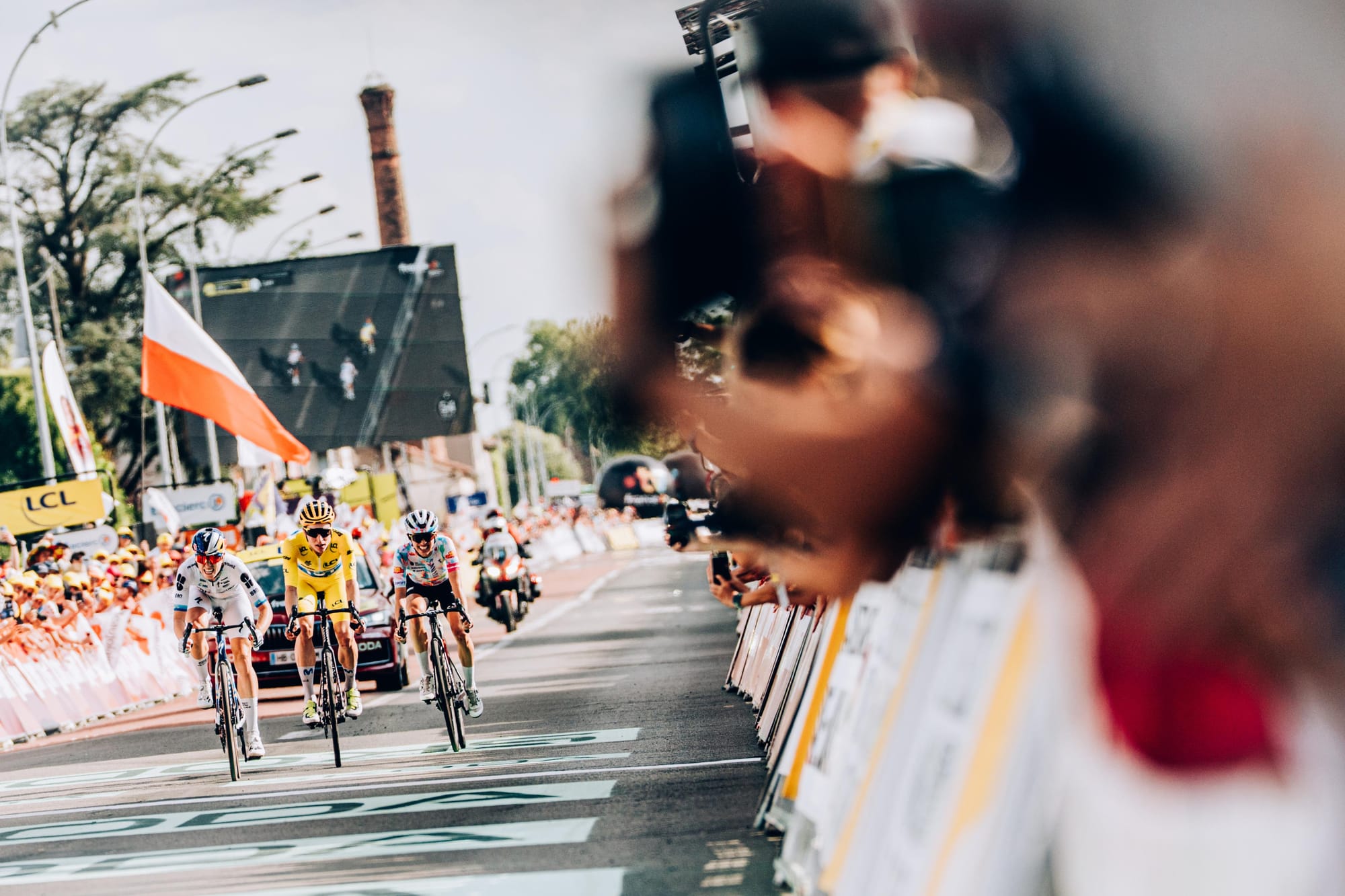
With around 500 metres to the summit, she attacked again. This time, only yellow jersey, Marlen Reusser and previous tour winner, Kasia Niewiadoma Phinney could follow. The three of them went clear and worked together towards the finish.
From there, the race was effectively decided.
Kasia Niewiadoma Phinney deserves enormous credit for the finale.
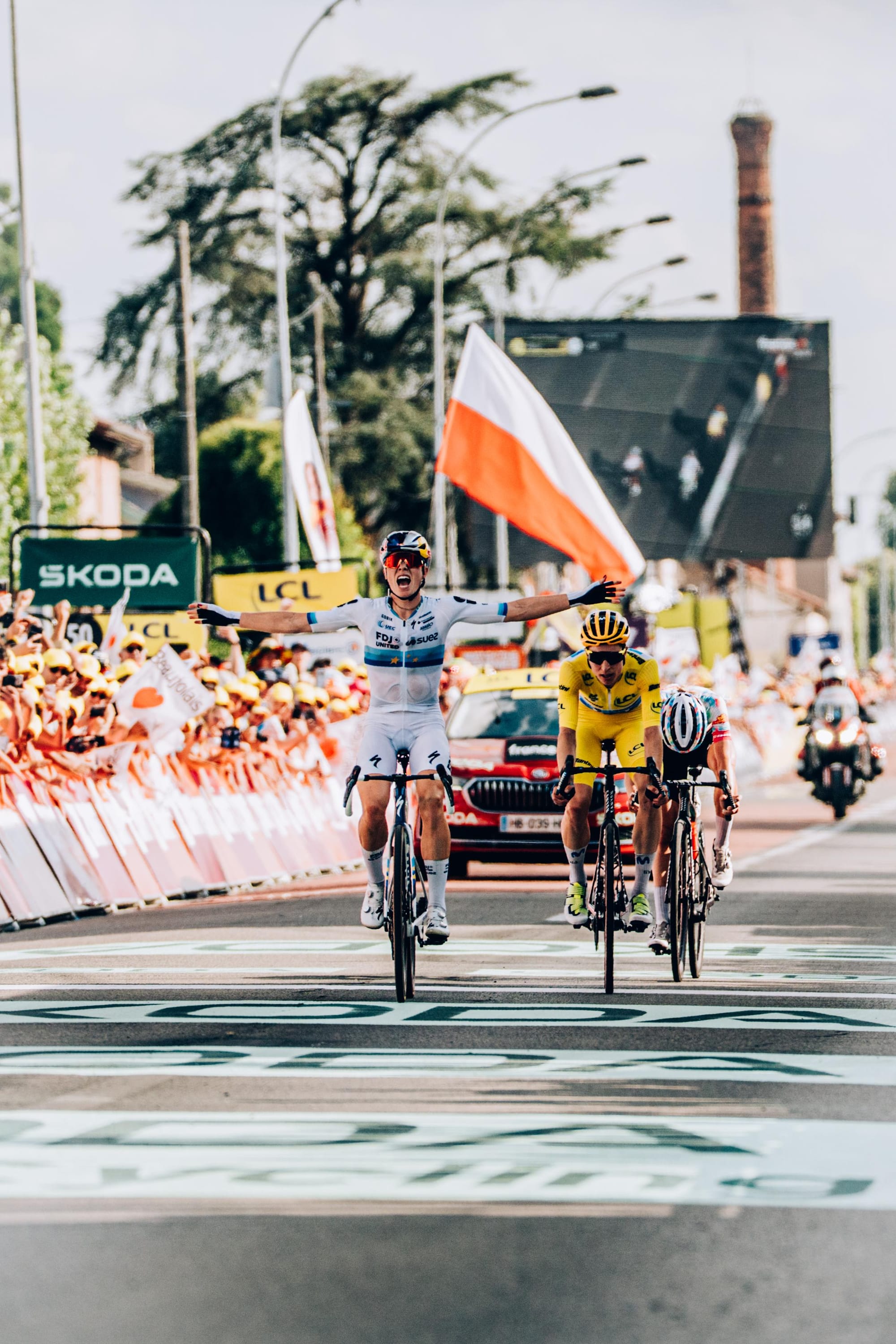
She launched her sprint early at exactly the right moment, sensing the brief hesitation between Demi and Marlen. For a few moments, it looked as though she’d stolen the stage.
But Demi’s power was simply too much.
She closed the gap in the final metres before coming around Kasia almost on the line to take a superb victory.
Looking beyond the stage result, there were several performances that really stood out.
Isabella Holmgren continues to impress me more with every stage.
Interestingly, Lidl–Trek had fully committed to the breakaway, placing three riders up the road. That was a smart tactical decision, but it also meant that when the race exploded behind, Isabella found herself without teammates around her.
For a young rider making her Tour de France Femmes debut, that’s an incredibly difficult situation.
When Demi Vollering made the decisive move on the penultimate climb, Isabella had nobody to help her. She had to follow the very best riders in the race entirely on her own, bridge across to what remained of the breakaway, and manage the finale herself.
She did exactly that.
To finish fifth on the stage, move into seventh overall and emerge as Lidl–Trek’s best-placed rider on the day was an incredibly mature performance. It says a lot about both her talent and her composure under pressure.
On the other side of the spectrum, it was another difficult day for Pauline Ferrand-Prévot.
After losing significant time in yesterday’s time trial, today’s relentless succession of climbs may actually have been one of the hardest possible follow-up stages. A time trial places a very different load on the muscles, and it’s not uncommon for riders (particularly pure climbers) to really feel those efforts the following day.
Pauline lost another large chunk of time and now sits almost five minutes down on the general classification. At this point, winning the Tour will require something truly extraordinary.
Anna van der Breggen also struggled once again.
After two consecutive difficult days, it’s becoming increasingly clear that something isn’t quite right. Whether it’s accumulated fatigue after already racing the Vuelta and the Giro, illness, or simply missing that final few % of form, she isn’t riding at the level we’ve become accustomed to seeing.
After five stages, one thing has become very clear.
FDJ-SUEZ aren’t simply the team with the race favourite, bur rather, they’re the team everyone else has to beat.
Today wasn’t won because Demi Vollering was the strongest rider.
It was won because FDJ-SUEZ raced as the strongest team.
And as we head towards the decisive mountain stages, that’s a frightening prospect for everyone else.
— Ashleigh

Comfort Is Free Speed
Professional riders spend 4-6 hours in the saddle almost every day. That's why every detail of their clothing matters. A well-designed chamois, breathable fabrics and a properly fitted jersey all reduce discomfort, helping riders stay focused on the race & their performance rather than constantly adjusting their kit.
Comfort isn't a luxury - it's part of performance.
Takeaway: When you're comfortable, you ride better.
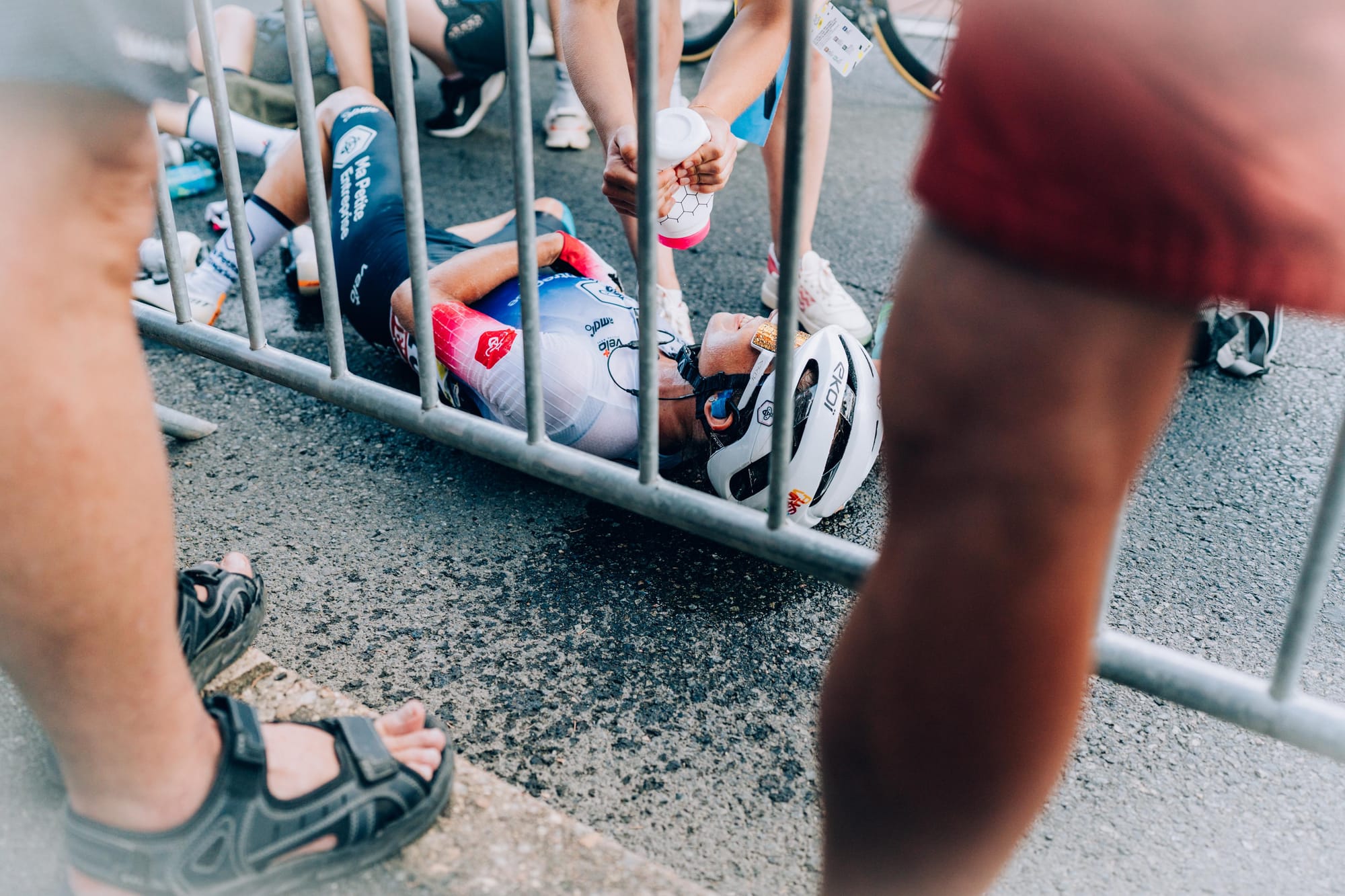
All images by photographer, Jess Meniere
Member discussion