
Stage 2: Controlled chaos and a champion's sprint.
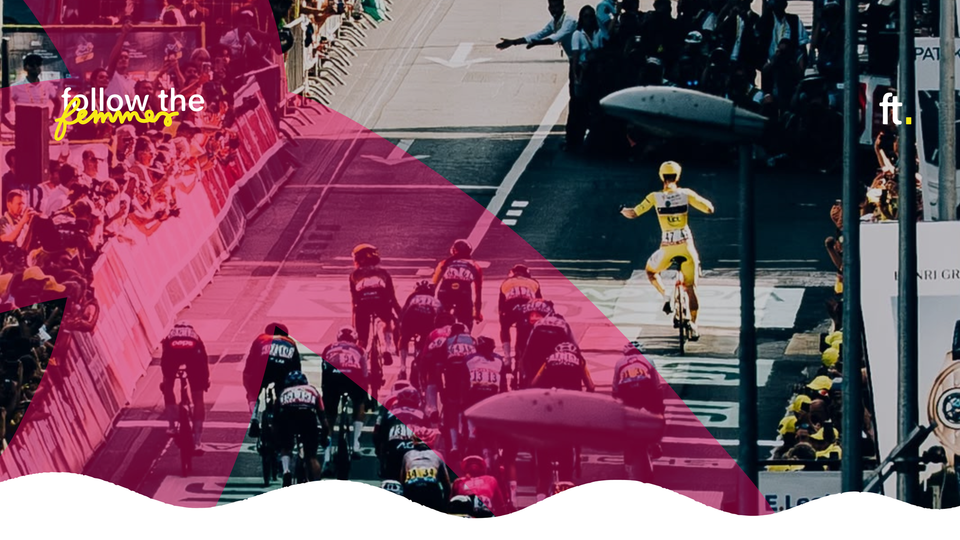

Stage 2 was, broadly, what it looked like on paper - a sprint stage that stayed a sprint stage. But there was enough drama in the middle to keep things interesting.
SD Worx-Protime came into today with one clear objective: keep yellow on Lorena's shoulders and get to the finish with as little fuss as possible. The opening hours played out accordingly...controlled, measured, a breakaway that took a while to form and never really threatened once it did.
The first real spark came from FDJ-SUEZ, who raced far more aggressively than I expected. They tried to light up the race with an attack from Célia Gery on one of the harder sections of the course. It was an ambitious move, but the peloton reacted quickly and the attack was short-lived.
Then Riejanne Markus went.
Riejanne Markus produced what was, for me, the ride of the stage.
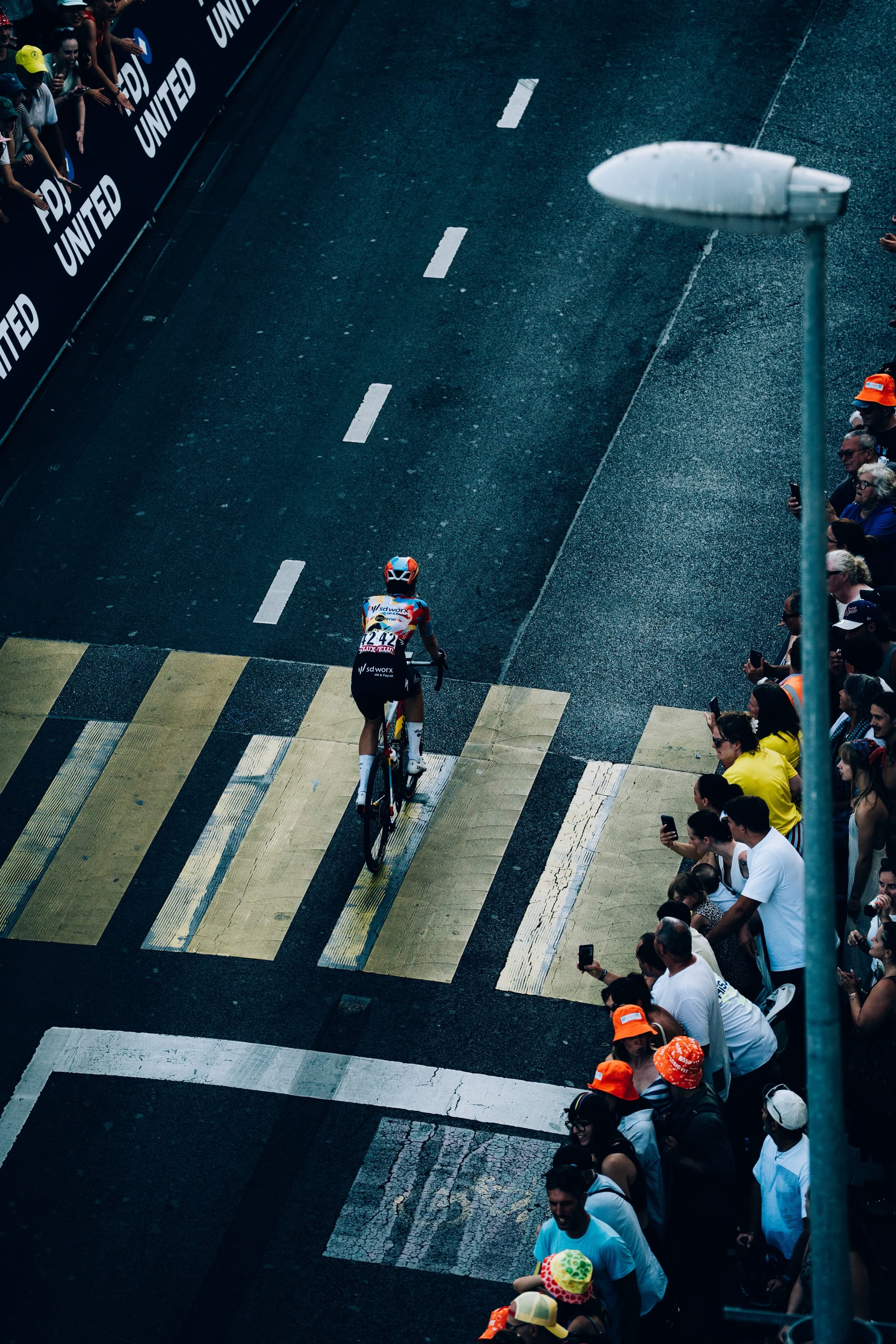
She didn't build a huge gap - but what she did do was hold it. Kilometre after kilometre, she just kept going, and gradually the question shifted from "will she be caught?" to "have the sprint teams miscalculated?".
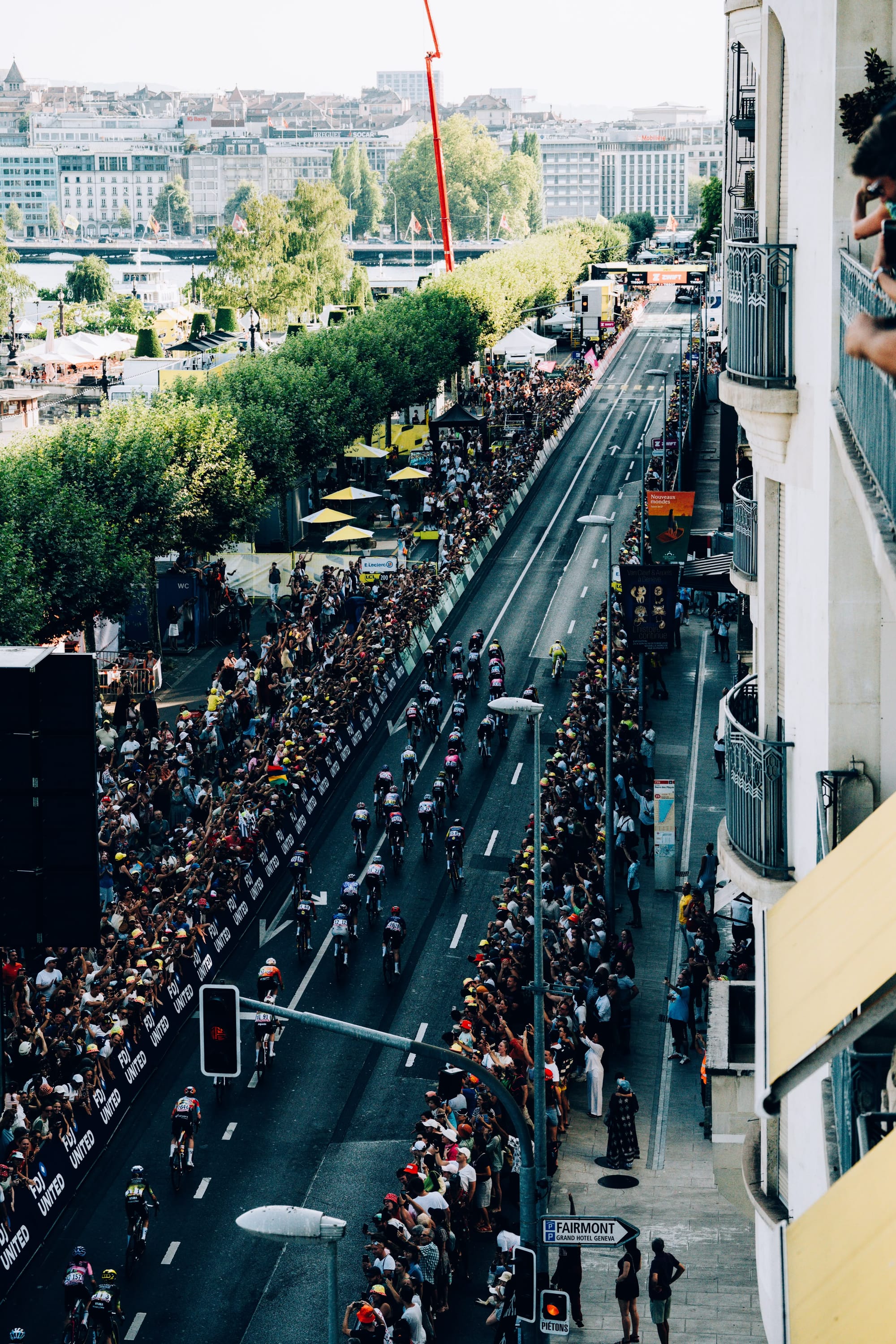
Inside the final 10 kilometres they buried themselves on the front of the peloton, and you could see just how much it was costing them. Even Lotte Kopecky had emptied herself in the effort to bring Markus back. It was a reminder that even the strongest teams don’t control a race for free...every decision has a cost.
In the end, they judged it almost perfectly.
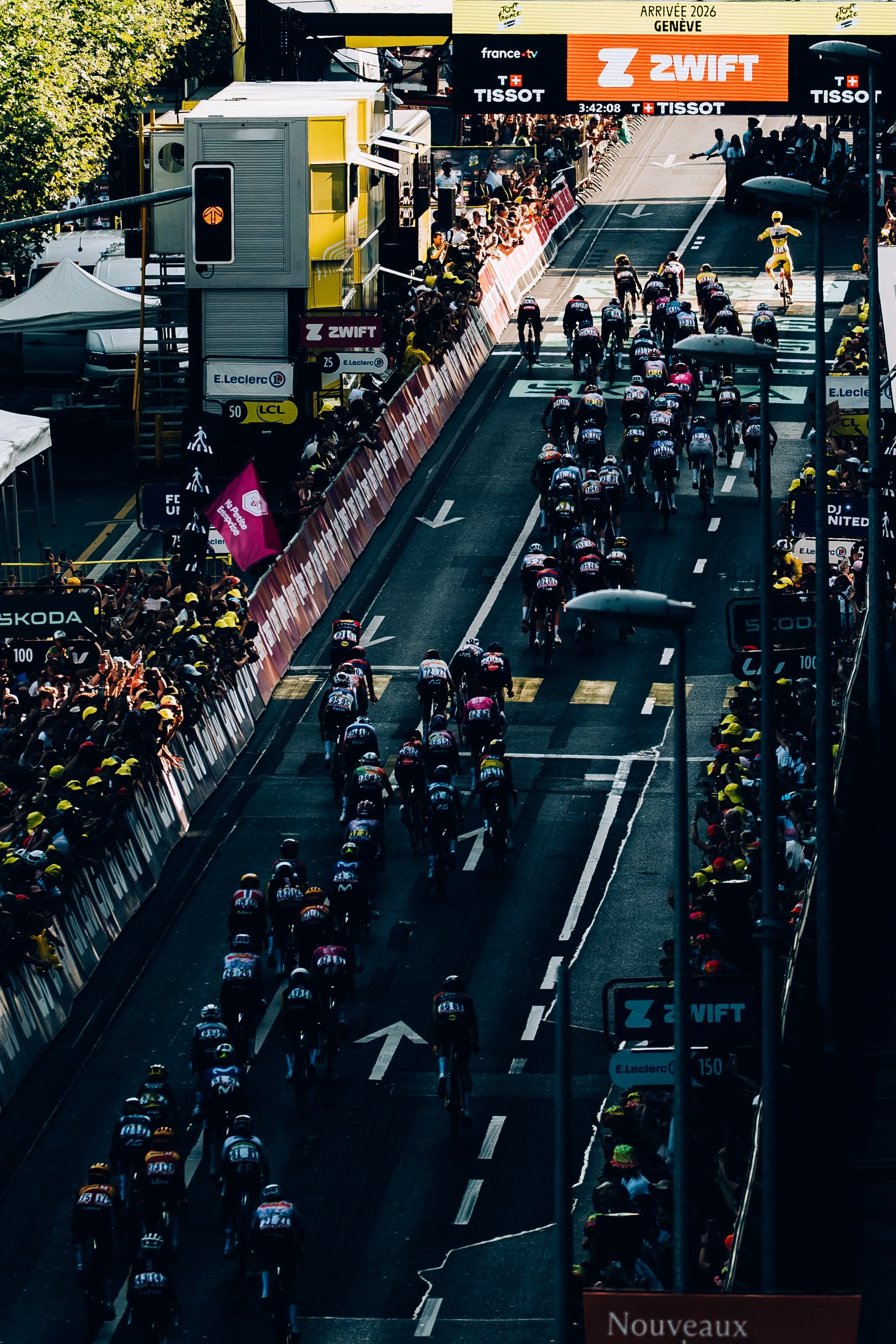
Markus was caught only in the closing moments, and from there Lorena Wiebes did what she does better than anyone else in the world.
Another dominant sprint victory.
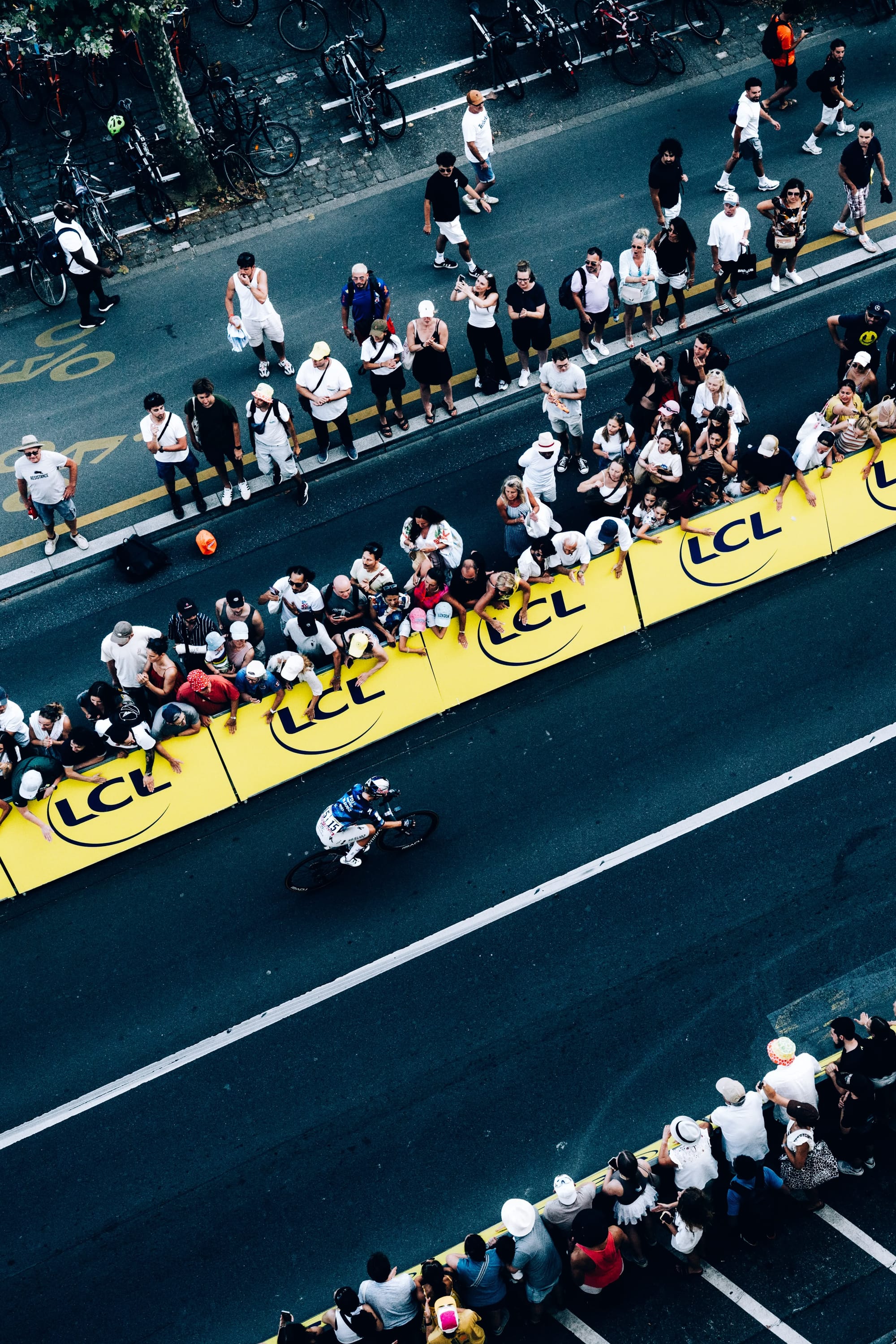
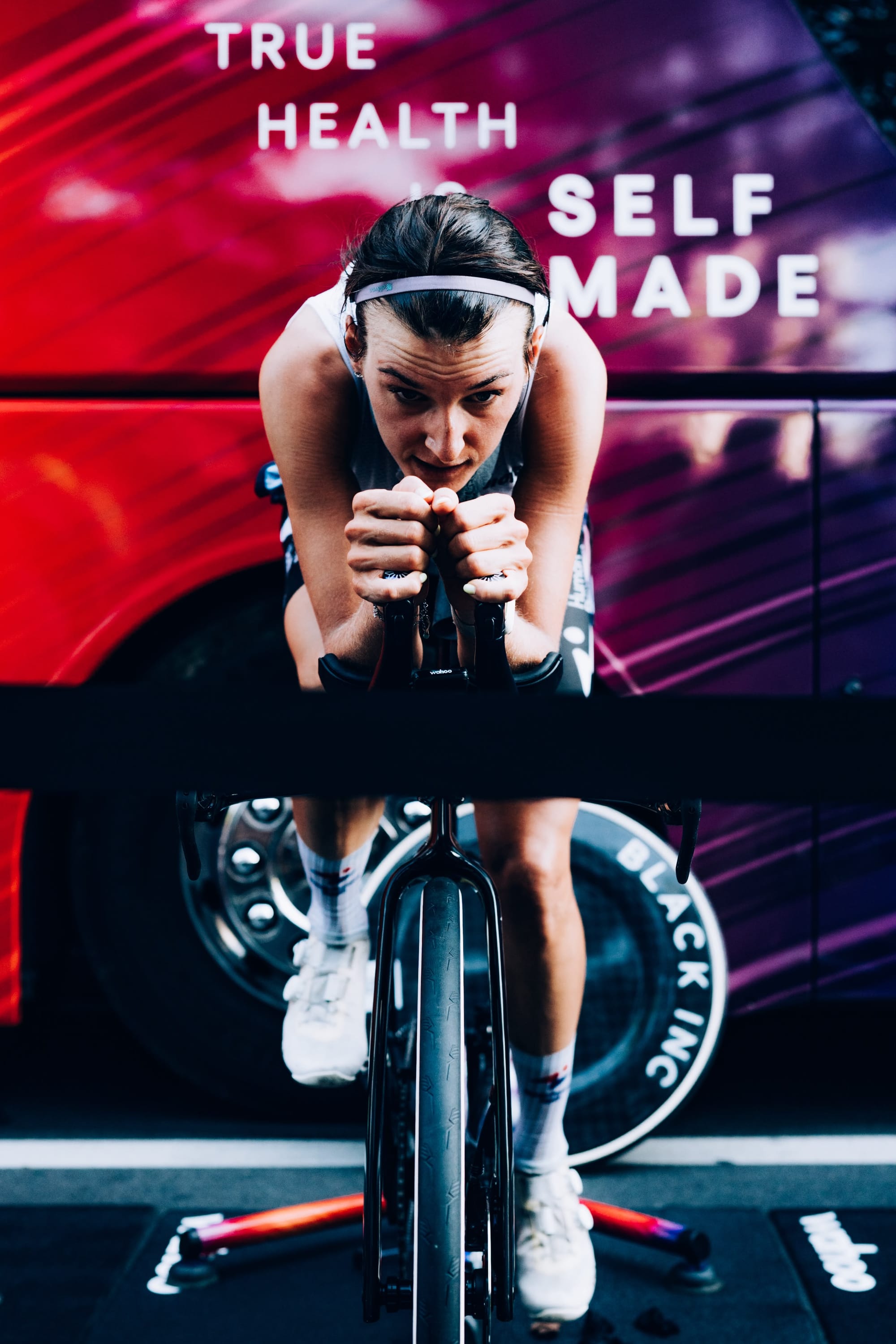
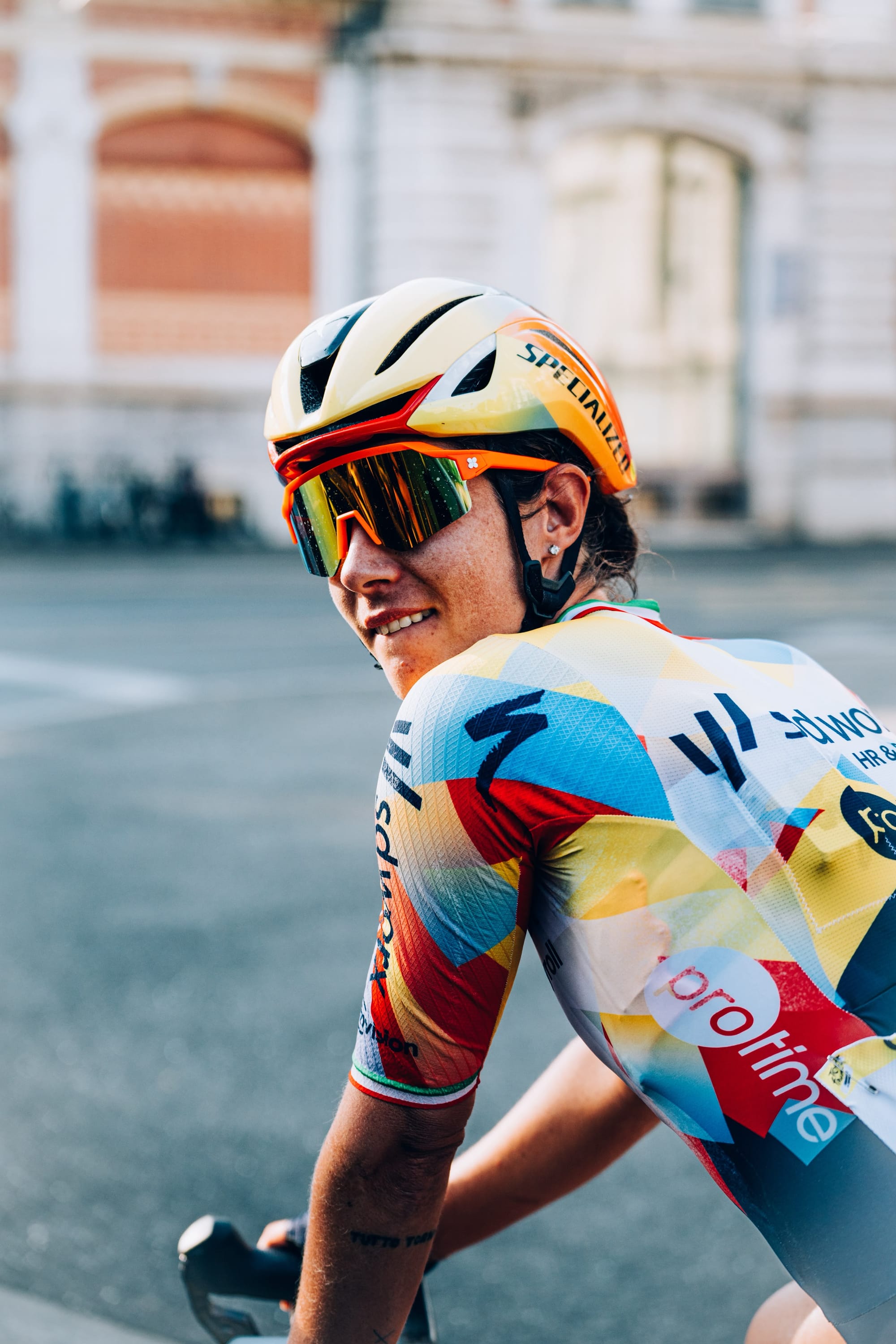
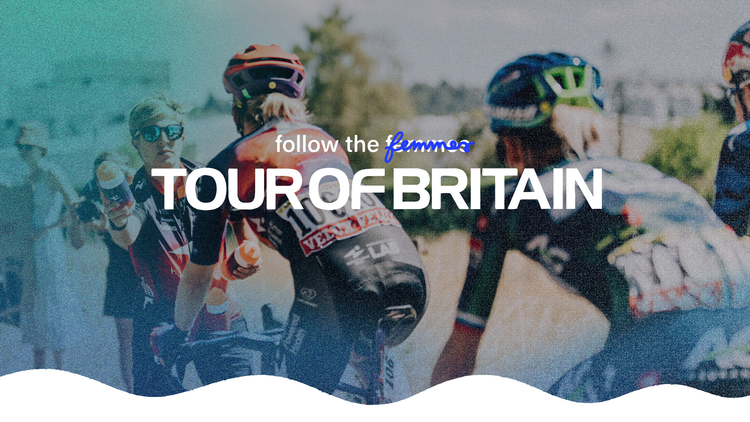
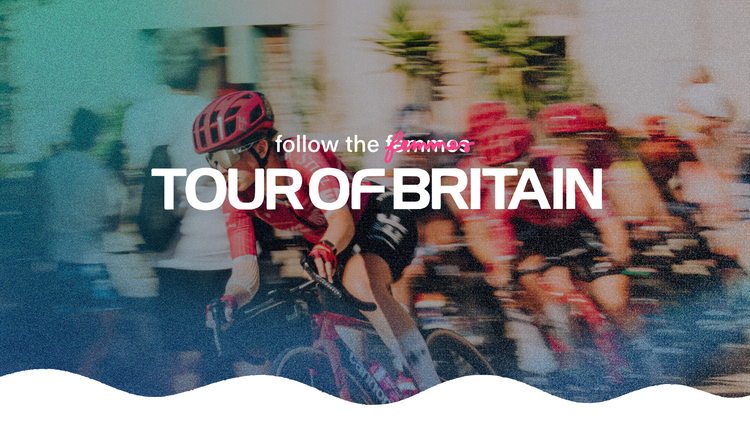
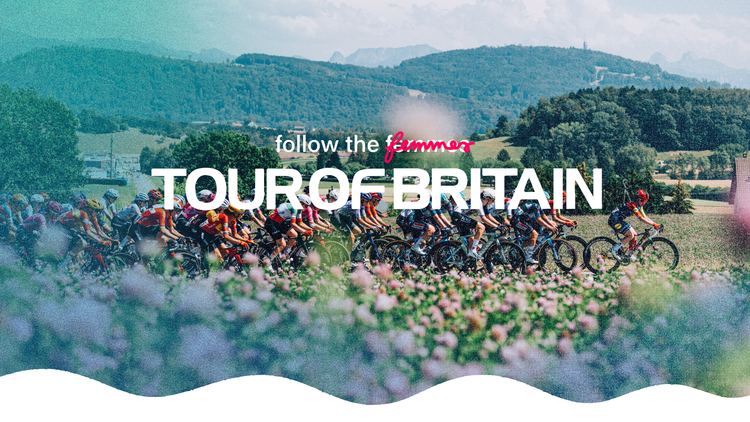
All images by photographer: Jess Meniere
What has impressed me most over these opening two stages isn’t just Lorena’s speed. It’s the way she’s responded after the disappointment of the Giro. Sport can be incredibly cruel, and sometimes circumstances simply don’t go your way. She could easily have arrived at the Tour carrying that frustration with her.
Instead, she’s done exactly what champions do.
She’s turned the page, arrived hungry and reminded everyone not only what an exceptional athlete she is, but also the strength of her character. Of course, she’s supported by one of the strongest teams in the world, but she’s also making the most of that support, and together SD Worx-Protime have been outstanding so far.
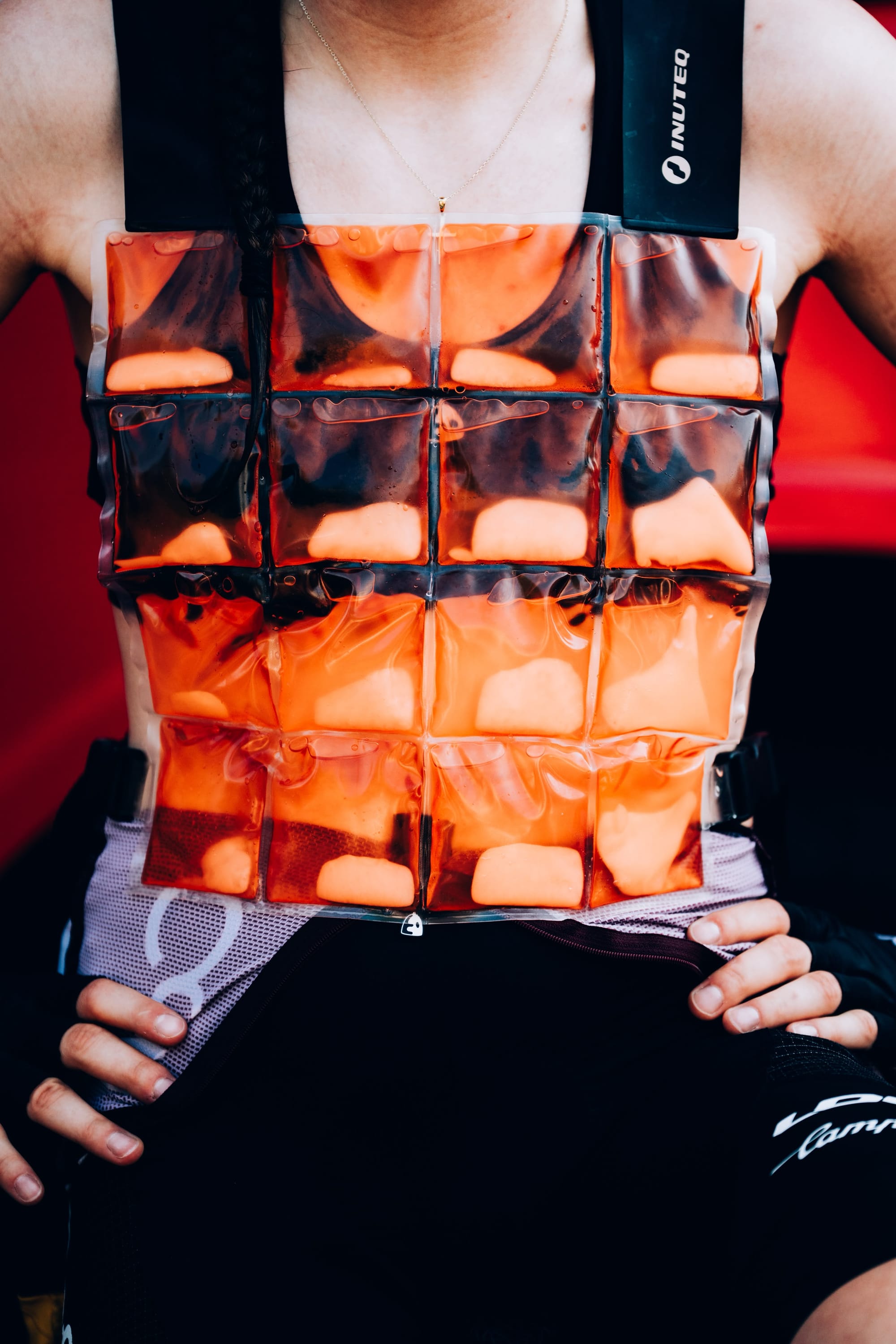
For the GC riders, today was really about surviving and spending as little energy as possible. But it certainly wasn’t an easy day. The temperatures were incredibly high, and even stages that appear straightforward in the tour can quietly take a huge toll on the body. It’ll be interesting to see who starts feeling the effects of these hot opening stages as the race progresses.
And finally, I have to mention the atmosphere.
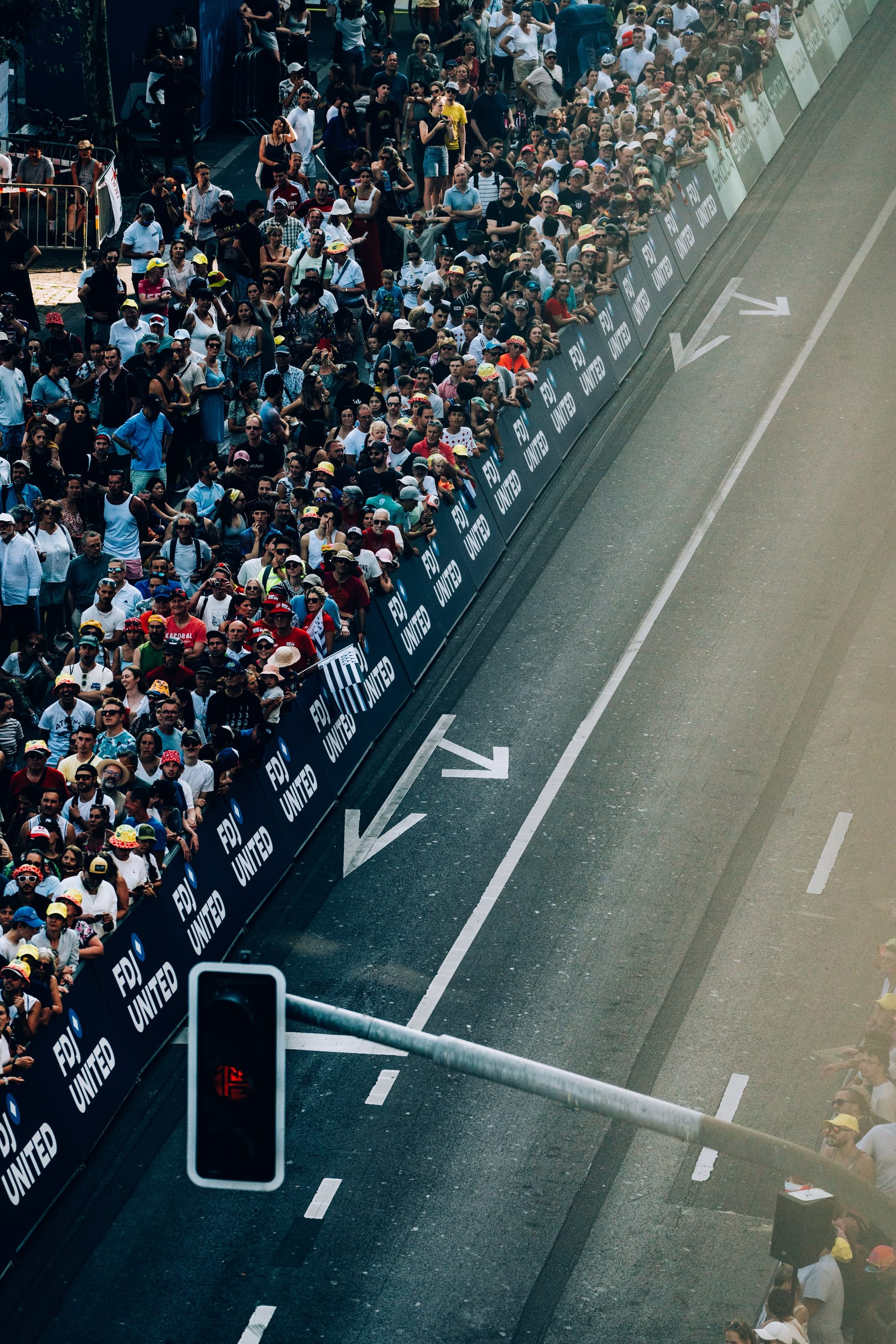
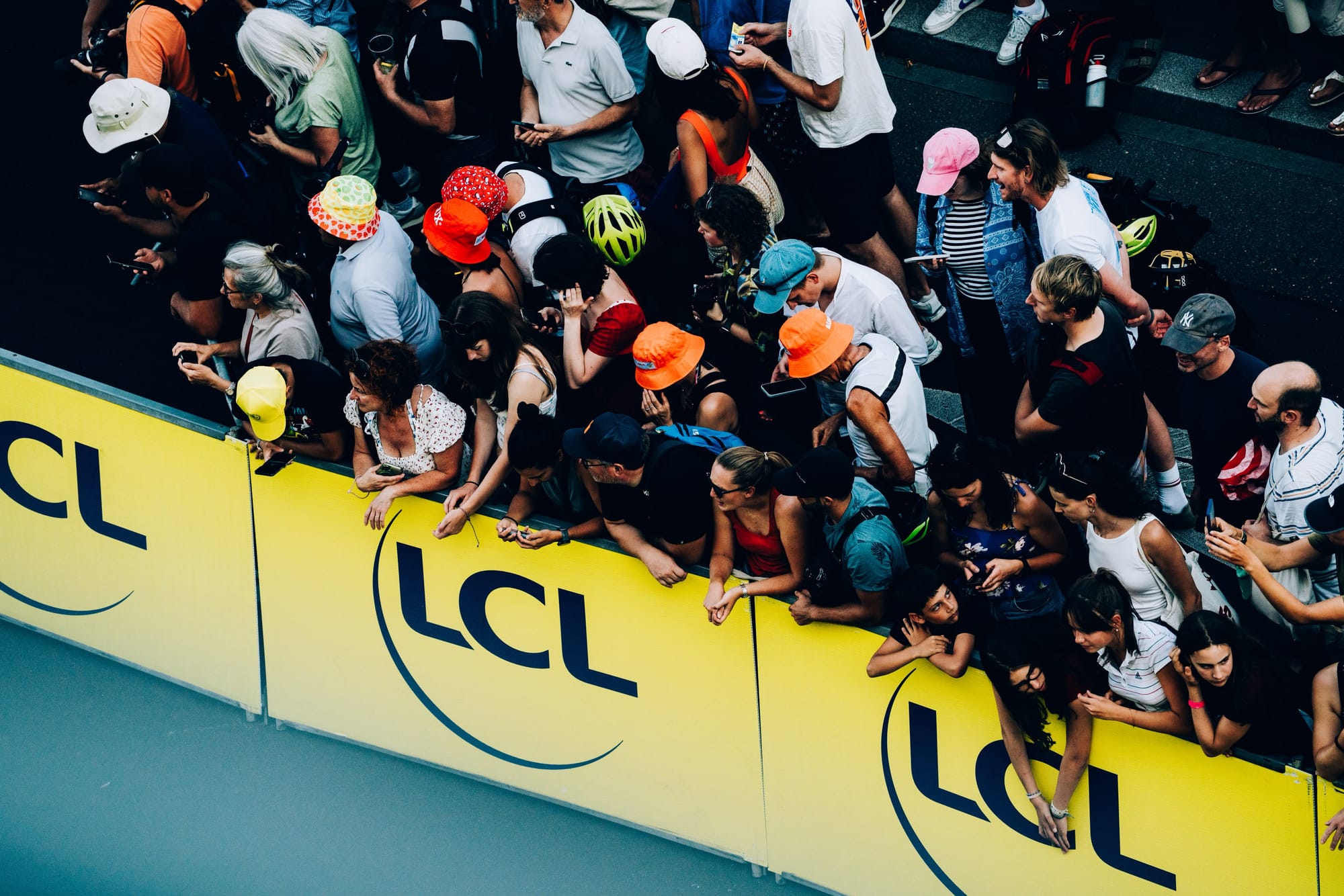
Once again, the finish line was packed with fans. The noise, the excitement and the enthusiasm for women’s cycling were incredible to experience firsthand. It’s a reminder of just how far this sport has come, and why races like the Tour de France Femmes avec Zwift continue to inspire so many people.
We’ll see what tomorrow brings.
— Ashleigh
Fuel Before You're Hungry
Professional riders don't wait until they feel hungry to eat. By then, it's usually too late.
Instead, they start eating within the first 20–30 minutes of the race and continue every 20–30 minutes to keep energy levels steady. Small amounts, eaten regularly, are far more effective than trying to catch up later.
Takeaway: Eat early. Eat often.
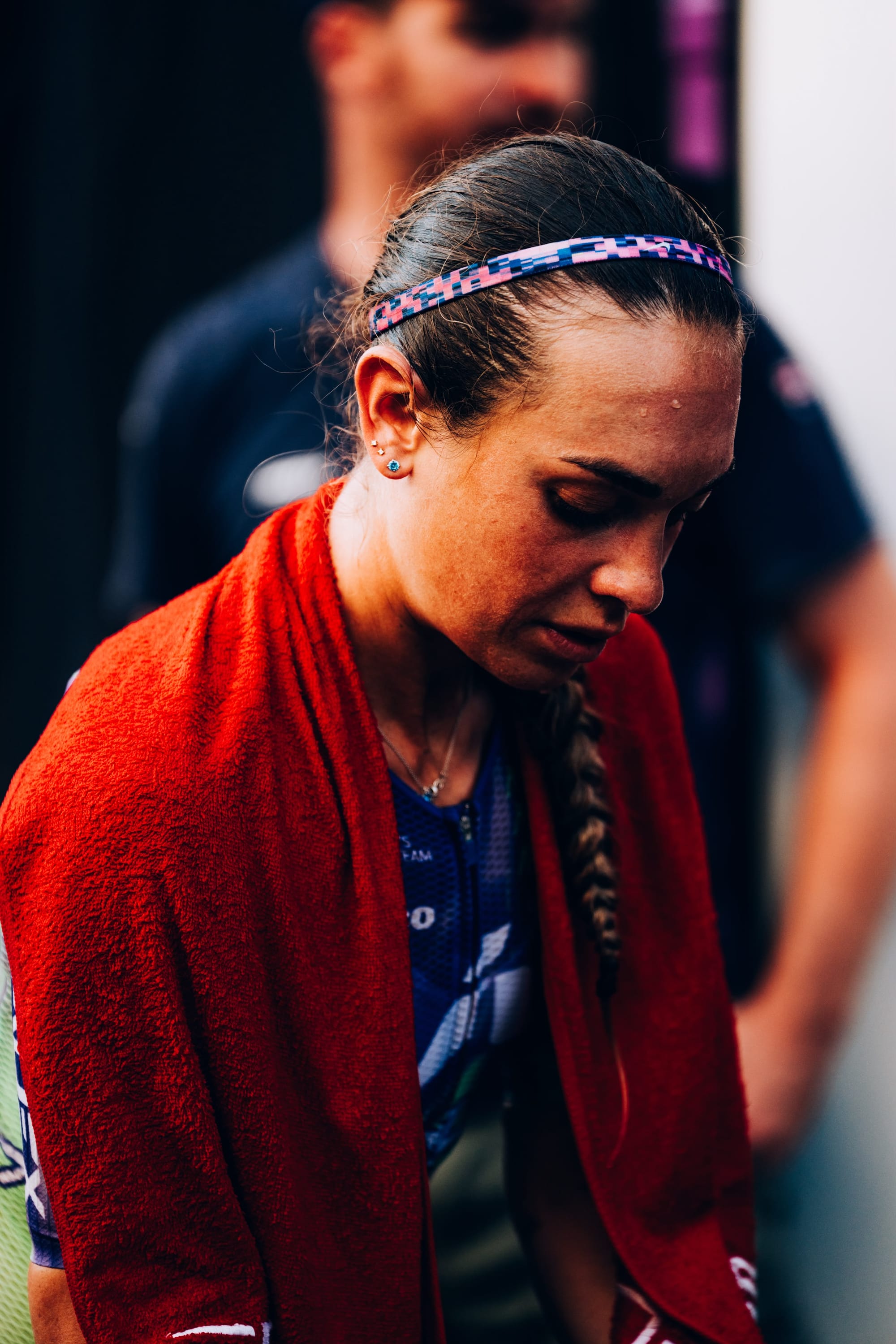
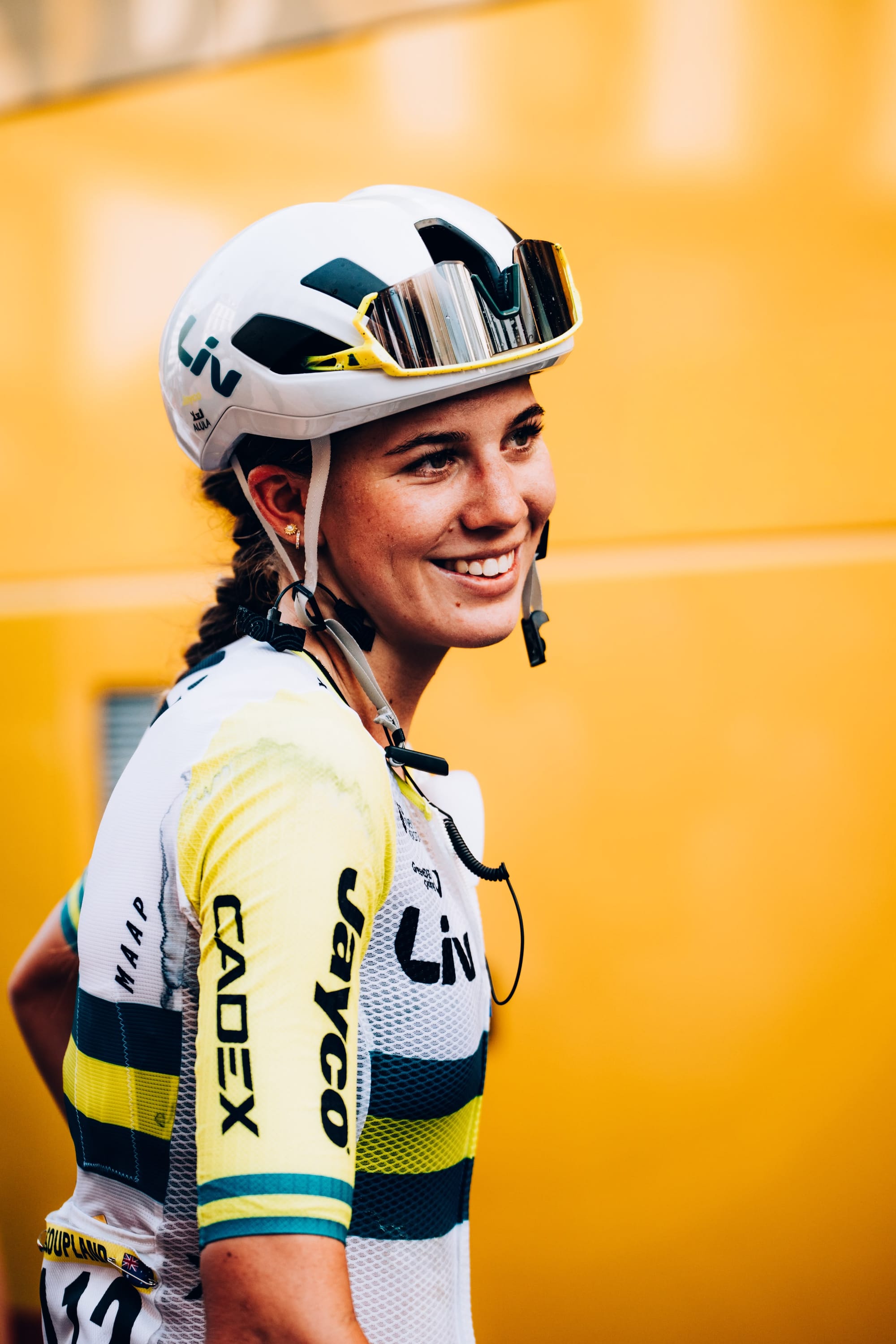
All images by photographer: Jess Meniere
Member discussion