
Stage 3: How the race was won ...before the cameras arrived
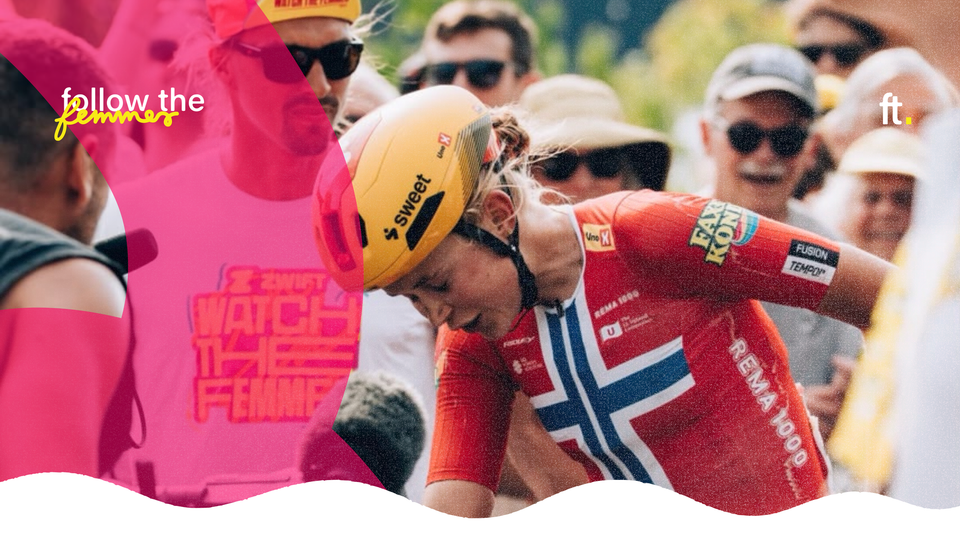

Today’s stage turned out to be one of the most fascinating of the Tour so far...but unfortunately, the move that ultimately won the race happened before the television cameras even went live.
The riders rolled out from Geneva at 13:25, but live coverage only began two hours later. By then, the decisive move had already been made. It’s still one of the frustrations of women’s cycling that some of the biggest moments happen before fans are even able to watch them.
In reality, everything we saw on television over the final two hours was the chase.
Straight from the gun, the peloton tackled the Col de la Faucille (an 11.6 km Category 1 climb averaging 6.3%). It’s arguably the hardest climb of this year’s Tour before Mont Ventoux, making it a very unusual way to begin a stage. By the time the riders reached the summit, they had covered just over 20 kilometres, with more than 130 kilometres still remaining to the finish in Poligny.
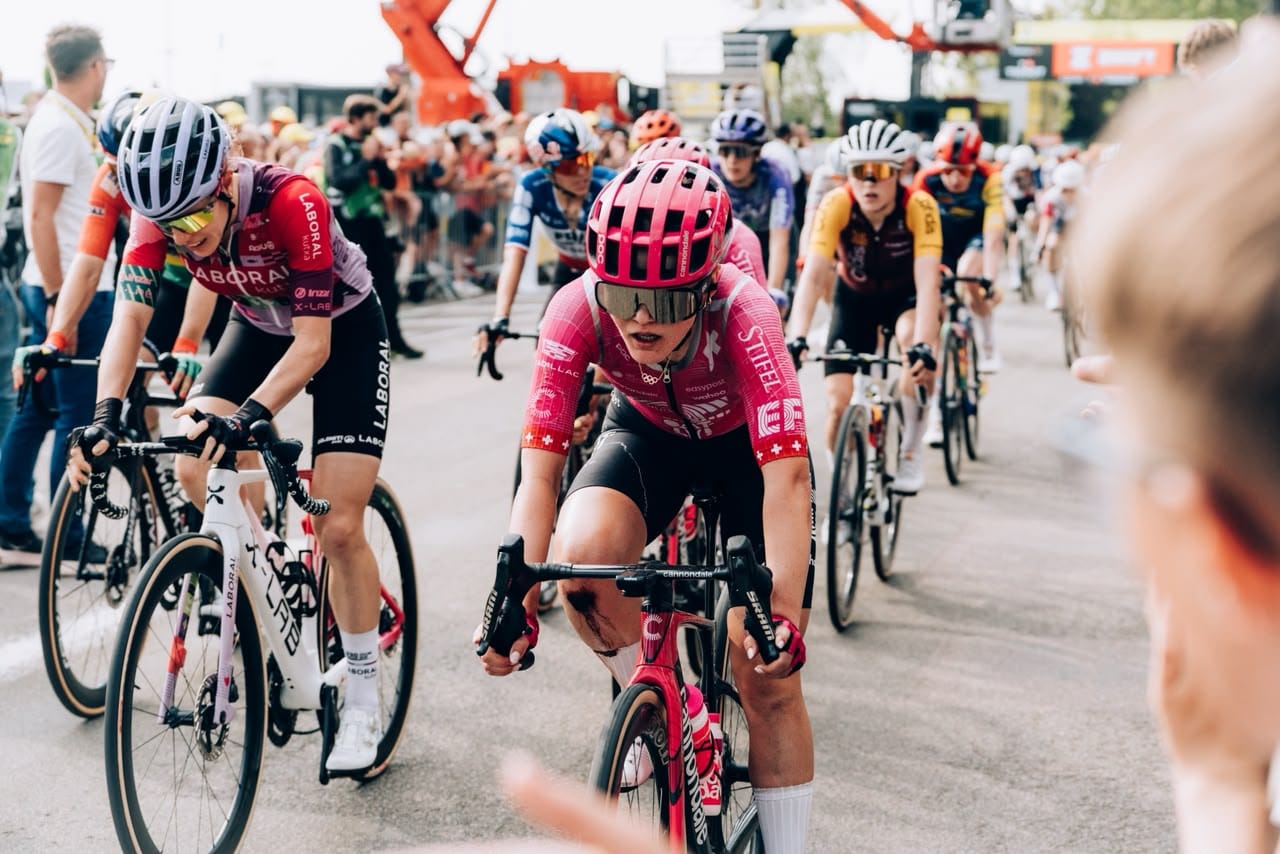
As you would expect on a climb of that calibre, the race exploded immediately.
A strong front group formed over the Faucille containing some of the riders you would expect to see in an aggressive move: Lucinda Brand, Justine Ghekiere, Yara Kastelijn, Lotte Kopecky and Sigrid Ytterhus Haugset, among others. Some riders were chasing Queen of the Mountains points, while others were simply looking to race aggressively.
Then came the move that changed the race.
With 88kms still remaining, Sigrid attacked out of that leading group.
It was an incredibly brave decision. We’ve seen Sigrid race aggressively before (particularly at the Giro) but usually much later in a stage. This time she committed to nearly 90kms alone, knowing there was every chance she would be caught.
By the time television coverage began, she was already riding solo at the front of the race.
Around 14kms later, Lotte Kopecky launched in pursuit.
It's not the kind of move we’ve become accustomed to seeing from Lotte. In previous years we’ve expected her to be racing alongside the favourites on the decisive climbs. Instead, she made a long-range solo move, making it clear that she’s approaching this Tour opportunistically and isn’t afraid to gamble.
For a while, it looked as though she would make contact.
Lotte steadily chipped away at Sigrid’s advantage and looked almost certain to bridge across. But just when it seemed the gap might finally close, Sigrid somehow found another gear. She responded, held her advantage and rode all the way to Poligny alone. It was an extraordinary display of pacing, resilience and belief.
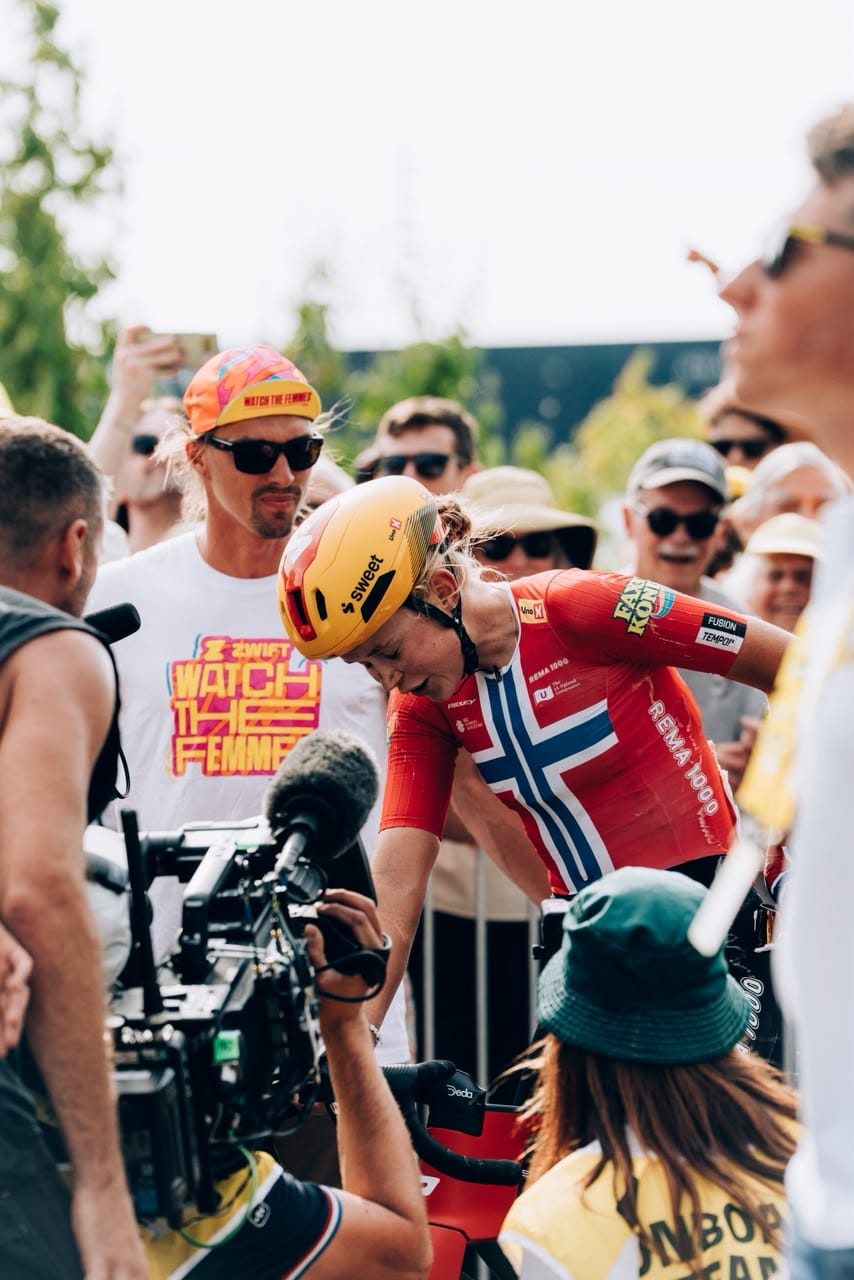
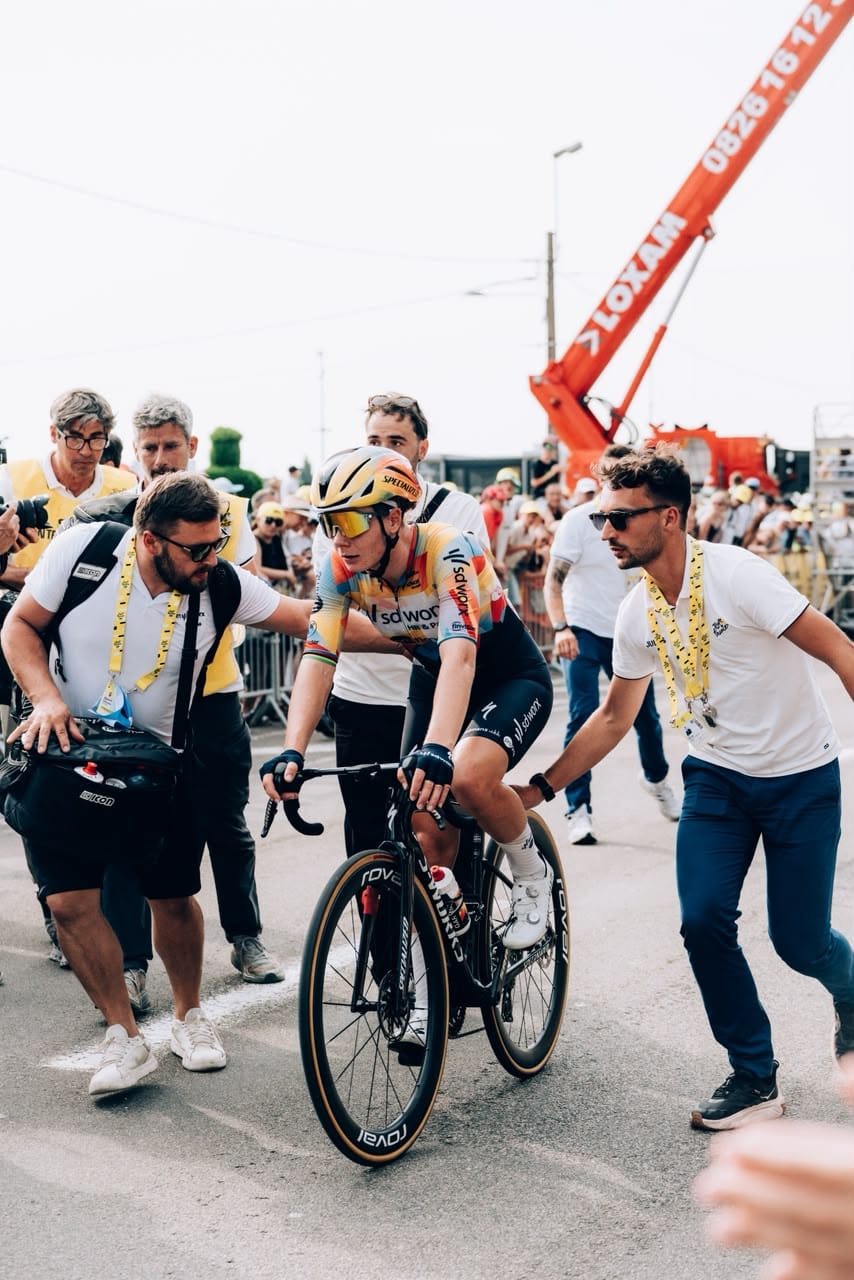
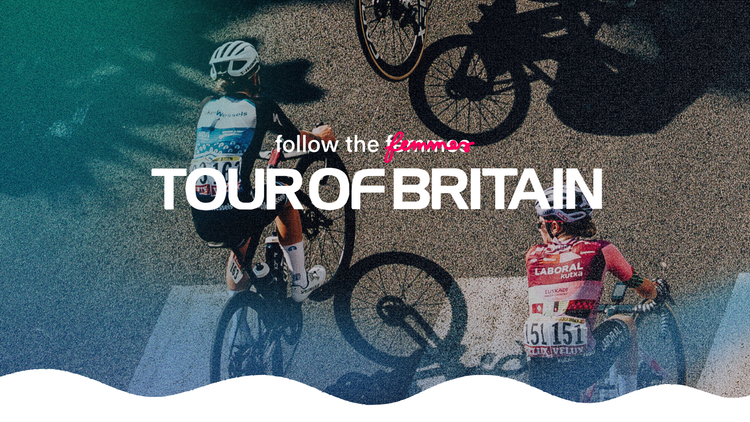
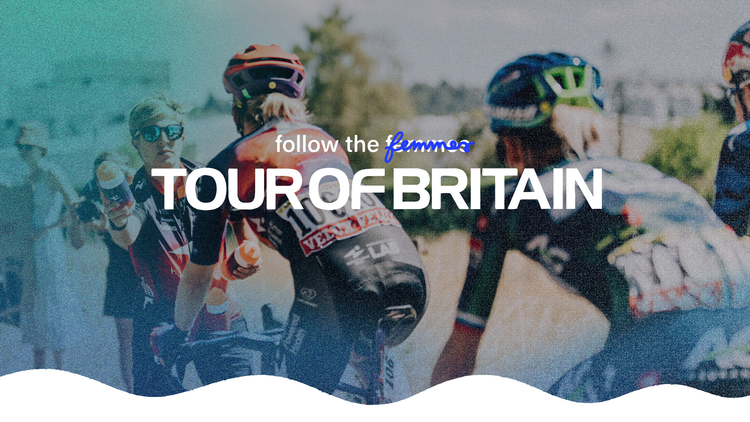
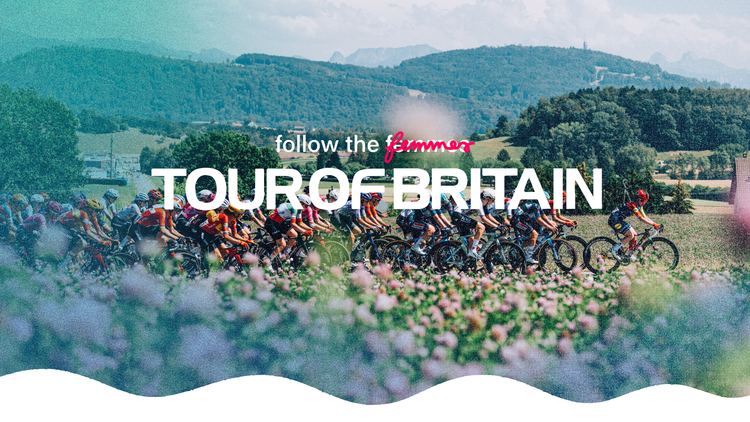
All images by photographer, Jess Meniere
For me, though, the biggest takeaway from today wasn’t simply Sigrid’s incredible ride...it was how early the general classification riders became isolated.
The Col de la Faucille completely reshaped the race. With such a hard climb coming so early in the stage, domestiques were forced to spend themselves much earlier than usual. By the time the race entered its final hour, many of the GC contenders were already isolated, making every tactical decision much more difficult. Once your teammates are gone, you’re left to make every decision yourself...when to chase, when to attack and when to gamble.
That, more than anything, defined today’s stage.
Unfortunately, the rider who probably suffered most from that was Kim Le Court.
Today’s stage looked like a fantastic opportunity for Kim to challenge for the yellow jersey. Sitting just seconds behind overnight, everything seemed to be lining up. But as the race became more selective, AG Insurance-Soudal simply ran out of numbers around her.
In the closing kilometres, Justine Ghekiere was the only teammate able to come back and help with the chase. She gave absolutely everything on the front, but by then it was simply too little, too late. Sigrid already had the advantage, and Kim’s late attack alongside Kasia Niewiadoma and Demi Vollering on the final Category 4 climb wasn’t enough to bring her back.
Kim now sits just over two minutes behind in the general classification. It’s certainly not game over, but tomorrow’s individual time trial makes the road back to yellow considerably more difficult.
There were several other notable moments too.
Demi Vollering was involved in an early crash but managed to remount quickly and continue without losing significant time. Hopefully she escaped with nothing more than a few bruises, but every rider knows that even a relatively small crash can make itself felt the following day.
One moment that really caught my attention was seeing Anna van der Breggen distanced during the stage. Whether it was simply a difficult moment, the lingering effects of the day’s intensity, or perhaps even a mechanical problem, it was certainly unexpected to see a rider of her calibre lose contact. She eventually made it back, but it was one of those moments that made you take notice.
We also saw signs of vulnerability from riders such as Paula Blasi and Isabella Holmgren, showing just how demanding this stage really was.
And finally, congratulations to Sigrid Ytterhus Haugset.
This was the type of those victory that reminds us why attacking cycling is so exciting. Uno-X Mobility continue to race with incredible ambition, always willing to take risks rather than simply follow wheels.
I also think a huge amount of credit should go to Emma Johansson and Martin Vestby, Uno-X Mobility’s sports director. Over the past two seasons they’ve helped shape a team with a very clear identity. Last year we started to see Uno-X take a significant step forward, and this year they’ve continued that progression.
They’re no longer waiting for opportunities to come their way but rather are of the attitude to create them themselves.
Today’s stage perfectly reflected that philosophy. Rather than waiting for the race to come back together, they backed Sigrid’s courage and conviction from nearly 90kms out, and she delivered one of the most memorable victories of the season.
Tomorrow brings the first individual time trial of this Tour, and after three days of tactical racing, there will be nowhere to hide. The time trial strips everything back to the individual. No teammates, no tactics, no excuses.
Tomorrow will tell us a lot about who is really here to win the 2026 Tour de France Femmes.
— Ashleigh

Recovery Starts at the Finish Line
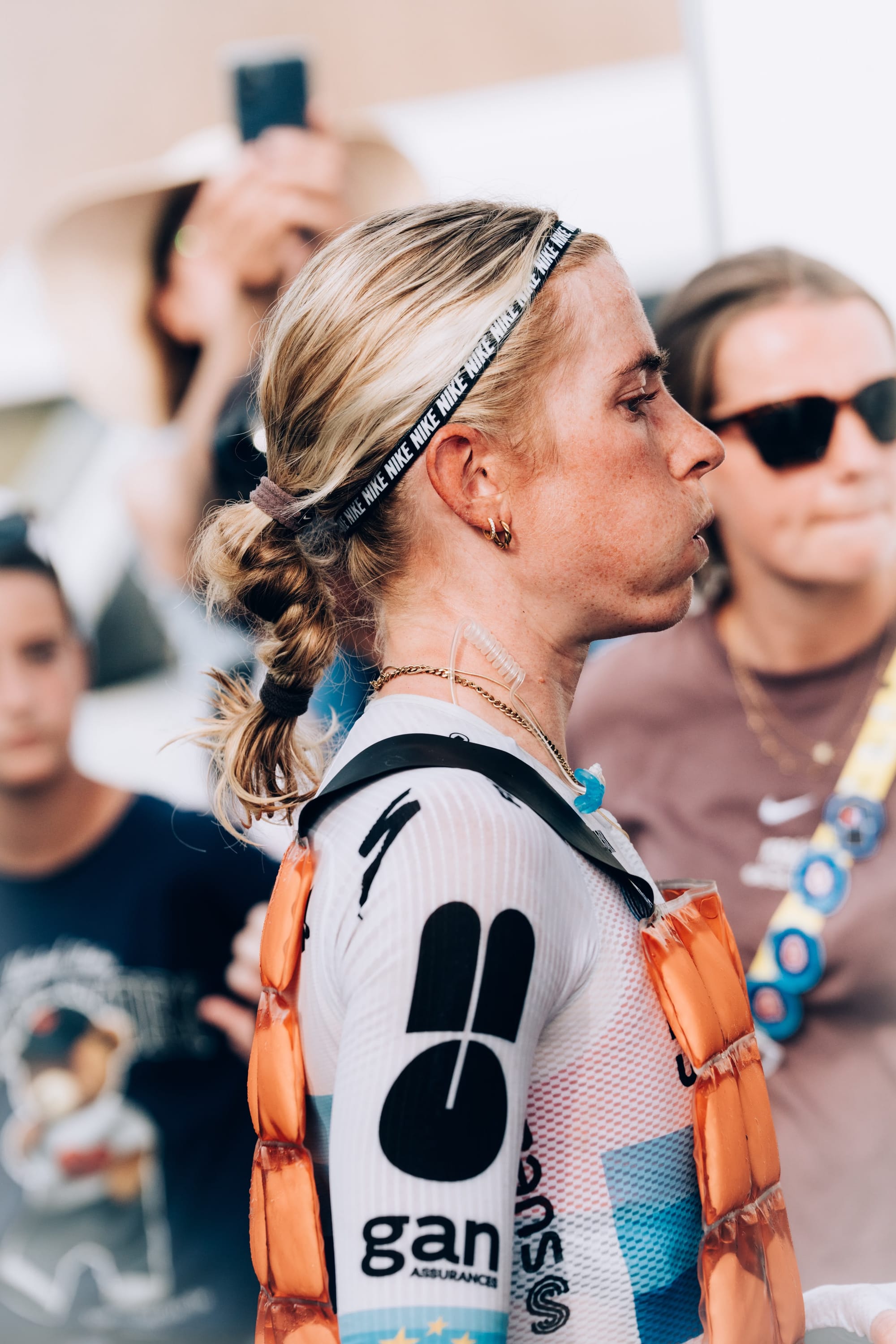
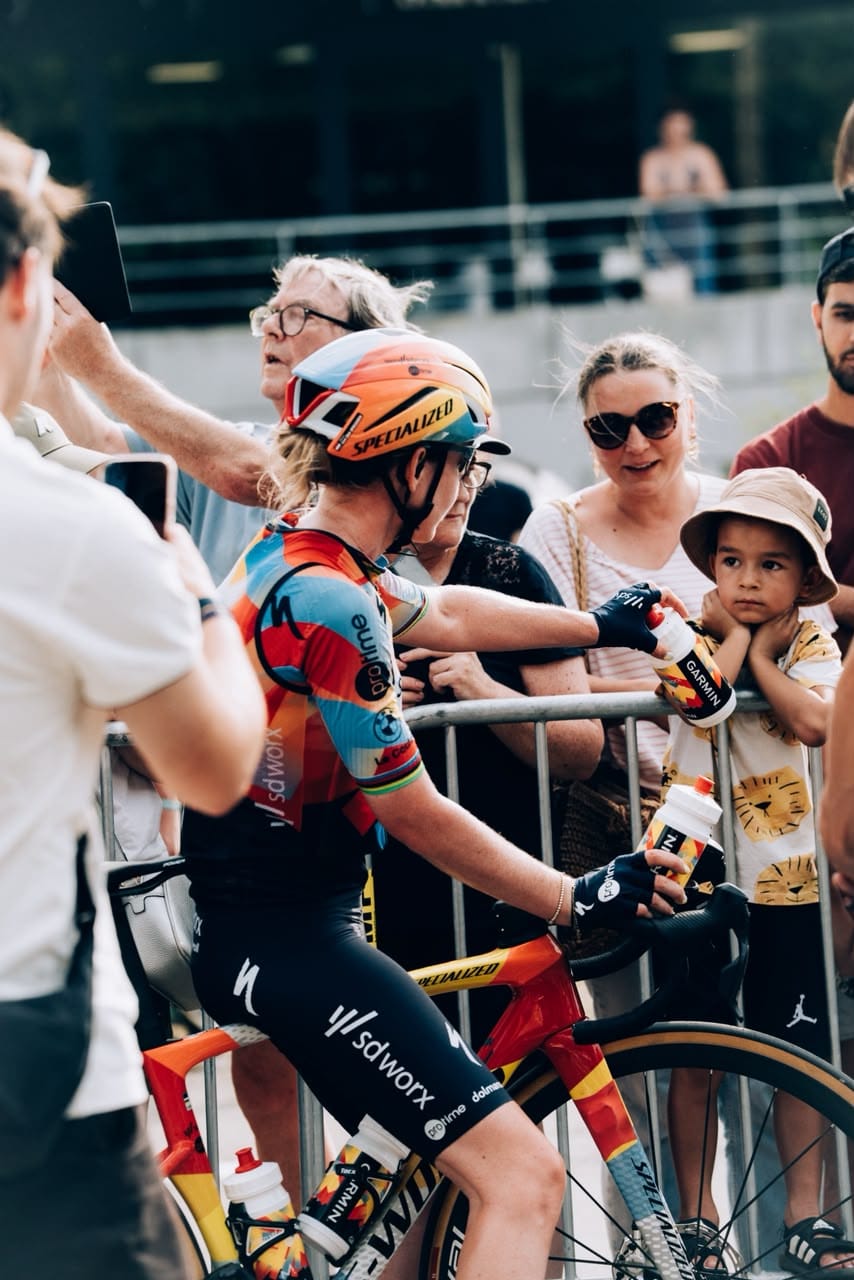
The race isn't over when riders cross the finish line. Within minutes, they're already thinking about tomorrow.
Recovery drinks, carbohydrates, protein and plenty of fluids help begin the repair process before they even leave the finish area. The faster recovery starts, the better prepared they'll be for the next stage.
Takeaway: Recovery begins immediately - not hours after your ride finishes.
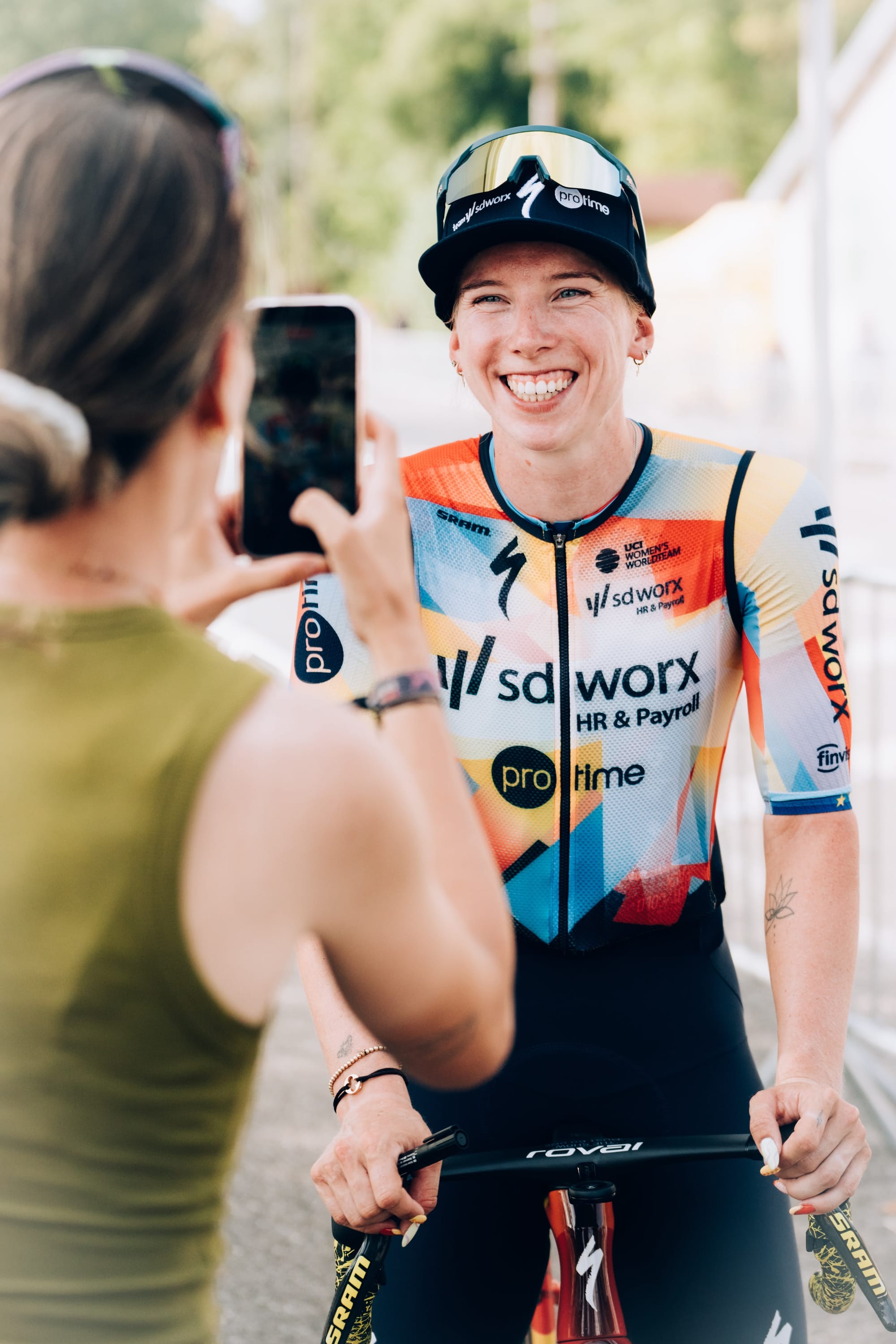
All images by photographer, Jess Meniere

Member discussion